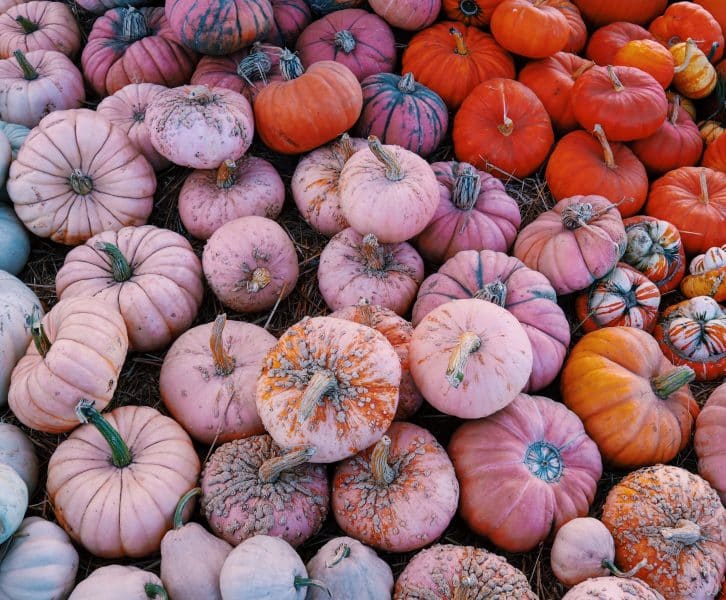
Most people treat pumpkin orange as a novelty color — something you wear to a hayride, then retire until next October. That’s the wrong read entirely. Pumpkin is one of fall’s most structurally versatile warm tones, and stylists at brands like Free People, & Other Stories, and Anthropologie have been anchoring full collections around it for years. The problem isn’t the color. It’s that most wearers treat it as a single shade when it’s actually a spectrum with very different wearability profiles — and picking the wrong one is exactly what makes an outfit read as seasonal costume rather than intentional style.
Pumpkin Orange Is Actually Three Distinct Colors
This is where most people get tripped up. They grab anything labeled “pumpkin” or “rust” or “burnt orange,” wonder why it doesn’t work, and conclude orange isn’t for them. The shades are not interchangeable.
The pumpkin family breaks into three functionally separate tones:
- True pumpkin — Pantone 16-1358 TCX (Flame Orange). High saturation, medium warmth. The color of a carved jack-o-lantern at peak ripeness. What most people picture when they say “orange.”
- Burnt orange — Pantone 18-1248 TCX (Autumn Maple). Deeper, brown-shifted, significantly more wearable day-to-day. This is the tone Zara and Mango lean on for their fall capsule coats and knitwear.
- Spiced pumpkin / rust — Pantone 18-1244 TCX. Darkest of the three. Nearly a red-brown in some lights. Easiest to wear across the widest range of skin tones and the safest entry point for anyone new to this palette.
True pumpkin is the riskiest. It works on warm, golden undertones — deep olive skin, rich brown skin, medium skin with yellow-gold warmth. On cool or pink undertones, it clashes with your natural complexion in a way that reads as a mistake, not a contrast.
Burnt orange is more forgiving. The brown component neutralizes without muddying. The Mango Fall 2026 Collection leaned heavily into this tone for their wool-blend coats, and the effect read sophisticated rather than seasonal.
Rust is the smart starting point if you’ve never successfully worn orange before. The & Other Stories Rust Oversized Blazer ($149) sold out within weeks of its fall 2026 drop — partly because rust reads as a near-neutral in many styling contexts. It asks very little of the rest of your outfit.
How to identify your correct pumpkin tone
Hold the fabric against your jawline in natural light. If your skin looks more sallow or greenish, it’s the wrong shade. If it looks more radiant or even-toned, it works. Denim buyers use this same test for indigo washes. It takes thirty seconds and prevents expensive mistakes.
Saturation matters as much as hue
A deeply saturated true pumpkin demands a monochrome or heavily minimal outfit around it — it will not share the stage. A desaturated, dusty pumpkin (terracotta, for instance) can anchor a three-color look without competing. Never buy based on the name on the tag. Buy based on how saturated the swatch looks in daylight, because that tells you how much work the rest of your outfit has to do.
Pumpkin Shade Wearability by Skin Undertone
This is the data most fashion coverage skips. Wearability ratings below are on a 1–5 scale, where 5 means easiest to wear with minimal styling effort and 1 means you’re working against the color at a structural level.
| Pumpkin Tone | Cool Undertones | Neutral Undertones | Warm Undertones | Deep Warm Skin |
|---|---|---|---|---|
| True Pumpkin (Flame Orange) | 2 / 5 | 3 / 5 | 5 / 5 | 5 / 5 |
| Burnt Orange (Autumn Maple) | 3 / 5 | 4 / 5 | 5 / 5 | 4 / 5 |
| Rust / Spiced Pumpkin | 4 / 5 | 5 / 5 | 4 / 5 | 3 / 5 |
| Terracotta (Dusty Pumpkin) | 5 / 5 | 5 / 5 | 4 / 5 | 3 / 5 |
If you have cool or pink-shifted skin and want pumpkin in your wardrobe, go rust or terracotta. Skip saturated flame orange — the payoff doesn’t justify the styling effort. The H&M Terracotta Ribbed Turtleneck ($24.99) is the most accessible entry point here: terracotta has shed its seasonal coding and functions as a near-neutral year-round.
If you have warm or golden undertones, the full pumpkin range is available to you. The payoff of wearing true pumpkin against warm skin is genuinely striking — it’s one of the few color combinations where the effect is difficult to achieve with anything else. The Free People Pumpkin Spice Wrap Coat in the deep orange colorway delivers that impact better than most pieces at its price point.
Note: these ratings assume average saturation levels. Deep skin with cool undertones follows different rules — highly saturated pumpkin often reads beautifully on deep complexions regardless of undertone direction. When in doubt, the jawline test overrules the table.
The One Rule That Changes Every Pumpkin Outfit
Never let pumpkin compete with another warm tone at equal saturation. Ground it with a neutral — cream, tan, charcoal, or dark denim — and the outfit reads intentional. Put it against mustard yellow or warm burgundy at full saturation, and it looks like a harvest display, not a wardrobe.
This isn’t a style opinion. It’s how color contrast perception works. Equal-saturation warm tones cancel each other’s visual impact.
How to Build a Pumpkin Outfit Step by Step
A practical sequence, not a mood board. Follow the order — it prevents the most common construction mistakes.
- Choose one pumpkin anchor piece. A coat, a sweater, or a trouser — not more than one. The Zara Burnt Orange Wool-Blend Coat ($129) is currently the strongest cost-to-wearability ratio available. Structured enough to anchor a full look without requiring a matching set.
- Select one true neutral as the base. For pumpkin specifically: cream and tan outperform white and grey. White creates high contrast that makes the orange read louder. Cream softens it. A cream ribbed knit from COS ($65) under that Zara coat works harder than a white button-down in the same position.
- Add one grounding dark element. Dark denim, dark olive trousers, or chocolate brown leather boots. This prevents the outfit from looking unanchored. The Levi’s 501 in Dark Stonewash is the most neutral dark choice because indigo doesn’t pull warm or cool — it simply grounds.
- Test the look in daylight before committing. Artificial lighting flattens and distorts color. An outfit that looks balanced under tungsten bulbs will often run too saturated in natural light. This is the step most people skip, and it’s the root cause of most pumpkin outfit failures in real-world settings.
- Add one metallic accent, maximum. Gold reads better against pumpkin than silver — silver cools the look in a way that creates visual dissonance. One piece. Not a stack.
This sequence handles 80% of pumpkin outfit constructions. The remaining 20% — print mixing, pattern-on-pattern — requires additional color-pulling judgment that’s a separate skill set entirely.
What about actual pumpkin prints?
Illustrated pumpkin prints (the vegetable, rendered literally) are a hard sell outside of October and they know it. Abstract pumpkin — geometric, botanical, color-blocked in the orange family — is a different story. Anthropologie and Farm Rio both run abstract botanical prints in pumpkin tones year-round, and they don’t read as seasonal when styled against a cream or tan base. The print registers as warmth, not as Halloween.
Shoes and bags: what actually pairs with pumpkin?
Cognac leather is the safe default, and it works reliably. But don’t overlook black. Black boots or a structured black bag against pumpkin creates a contrast that modernizes the palette and prevents the outfit from reading as monolithically autumnal. The Dr. Martens 1460 in Black Smooth Leather ($180) under a rust midi skirt is a cleaner pairing than most cognac-boot alternatives in the same price range.
When Pumpkin Is the Wrong Choice
Four situations where pumpkin reliably fails — and most style coverage doesn’t flag them honestly.
In conservative professional environments. True pumpkin reads expressive and seasonal. In corporate settings — legal, finance, traditional office culture — rust or terracotta is the acceptable color entry point. Saturated flame orange is a statement that not every workplace culture welcomes on a regular Tuesday. A rust blazer from Massimo Dutti ($225) reads as a considered accent. A bright pumpkin blazer reads as an event.
In summer months. This is a psychological association issue more than a color theory problem. Pumpkin is coded as fall. Wearing it in July creates a seasonal mismatch that other people notice even when they can’t name it. The exception: terracotta, which has fully shed its seasonal association and functions year-round without cognitive friction.
When your hair is warm red or strawberry blonde. Two warm tones at similar value — hair color and clothing — compete for the same visual space. The look loses definition and collapses into a monochromatic wash that reads as accidental. Rust (darker, more brown-shifted) handles this better than true pumpkin, but the stronger move is usually to go forest green or deep navy — colors that provide genuine contrast rather than asking two warm elements to coexist.
When your wardrobe foundation isn’t built yet. Pumpkin is a demanding color. If your neutral base isn’t sorted — if you don’t have reliable cream, tan, and dark pieces to build around it — adding a statement tone like pumpkin creates more confusion than it resolves. Get the foundation first. Introduce pumpkin as an accent once you have stable anchors to work with.
How Fabric Texture Changes the Pumpkin Equation
Does fabric finish change how orange reads?
Significantly. Matte fabrics — heavy wool, brushed cotton, suede — absorb light and make pumpkin read more subdued and sophisticated. The Toteme Brushed Wool Coat in their rust-orange colorway ($890) reads almost as a neutral in person because the matte finish absorbs rather than reflects the color energy. Shiny or reflective fabrics — satin, patent leather, polished cotton — amplify saturation. The same hue in satin reads two to three times louder than in wool. High-shine pumpkin is a runway choice, not a street-style default for most wardrobes.
Why chunky knitwear is the best starting point
Chunky knits in pumpkin tones are the single most accessible entry point into this color family. The texture breaks up the color field and reduces saturation perception. An Arket Chunky Merino Turtleneck in burnt orange ($115) reads friendlier and more wearable than a flat-woven shirt in the identical hue. Knit structure diffuses color. This is why pumpkin knitwear consistently outsells pumpkin wovens at brands like & Other Stories every fall run — the fabric does the work of softening the color for you.
Velvet: a specific commitment
Pumpkin velvet is maximalist by nature. It reads rich and deliberate in a way that cannot be dialed back with neutral styling. That’s not a disqualifier — it’s just a clear-eyed statement of what you’re signing up for. Commit fully or choose a different fabric.
Pick the shade that matches your undertone, anchor it with cream or tan, and choose matte over shine — those three decisions determine whether pumpkin elevates your wardrobe or just makes you look like you raided a Halloween store.