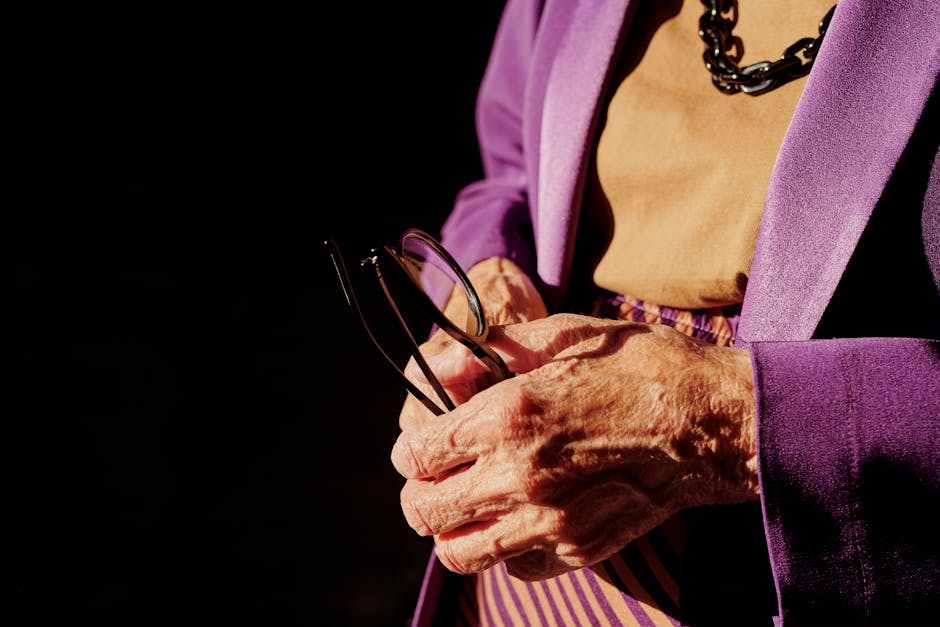
You see a woman at a coffee shop. She’s wearing a plain cream sweater, dark tailored trousers, and leather loafers. Nothing has a logo. Nothing screams for attention. Yet she looks expensive. Polished. Effortless.
That’s old money style. And it has nothing to do with how much money you actually have.
Old money style is a specific aesthetic rooted in understated quality, perfect fit, and a refusal to advertise wealth through branding. It’s the opposite of “loud luxury” — no Gucci belts, no monogrammed bags, no logo-printed everything. Instead, it’s about the quiet confidence of owning clothes that last decades, not seasons.
The term “old money” originally referred to families who inherited wealth over generations. But the style? Anyone can adopt it. You don’t need a trust fund. You need a different mindset about what you buy and why.
The Core Principles of Old Money Style
Old money style boils down to four rules. Miss one, and the whole thing falls apart.
1. Fabric quality over brand names
A $200 cashmere sweater from a no-name mill will look richer than a $500 polyester sweater with a logo. Old money style prioritizes natural fibers: cashmere, merino wool, linen, silk, cotton, and leather. Synthetics are rare. Polyester is essentially banned.
Brands like Loro Piana, Brunello Cucinelli, and Ralph Lauren’s Purple Label are staples — not because of their logos (they barely have any), but because of their fabric sourcing and construction.
2. Perfect fit, not trendy silhouettes
Baggy, oversized, or ultra-skinny? None of those. Old money fit means shoulders that sit exactly at your natural shoulder line, trousers that break once at the shoe, and sleeves that end at your wrist bone. Every piece is tailored — either off the rack from brands that cut for classic proportions, or altered by a tailor.
This is where most people fail. They buy expensive fabric but skip the $20 tailoring. The result? A $1,000 jacket that looks like it belongs to someone else.
3. Neutral, muted color palette
Old money wardrobes are 80% neutrals. Navy, cream, camel, charcoal, olive, and burgundy. Bright reds and electric blues are rare. Patterns are subtle: small checks, fine stripes, classic plaids. Nothing that screams from across the room.
The logic is simple: neutral colors never go out of style. That navy blazer you bought in 2015? Still looks current in 2026. That neon pink jacket from three seasons ago? Donating it.
4. Minimal, functional accessories
A leather belt with a small, unbranded buckle. A simple stainless steel watch (Rolex Submariner, Cartier Tank, or a vintage Omega). A silk scarf worn as a necktie. A leather tote bag with no visible branding. That’s the accessory philosophy. Jewelry is gold or silver, but small and understated. One ring, one watch, maybe a thin bracelet.
The goal is to look put-together without looking like you tried. The accessories should be noticed only on close inspection.
Brands That Embody Old Money Style (and the Ones That Don’t)

Here’s where things get specific. Not all luxury brands qualify. Many actively violate the old money aesthetic.
| Brand | Old Money Status | Why |
|---|---|---|
| Loro Piana | Yes — gold standard | Zero visible branding, focus on rare cashmere and vicuña wool, impeccable tailoring. A Loro Piana sweater costs $1,200+ and looks like a plain sweater. That’s the point. |
| Ralph Lauren (Purple Label) | Yes — classic choice | Preppy, American heritage. The Purple Label line uses Italian fabrics and hand-finishing. The polo pony logo is small enough to be discreet. |
| Hermès (non-logo items) | Yes — with caveats | Hermès scarves and leather goods (belts, bags without the H buckle) fit the aesthetic. The Birkin bag is old money. The printed H logo belt is not. |
| Brunello Cucinelli | Yes — modern old money | Monastic-inspired design, soft tailoring, high-quality cashmere. The brand’s philosophy is about human dignity and craftsmanship. No logos. |
| Gucci | No — too loud | Large GG logos, monogram prints, visible branding everywhere. This is the opposite of old money. It’s new money trying to prove something. |
| Balenciaga | No — trend-driven | Oversized silhouettes, bold logos, streetwear influences. Old money style rejects trends. Balenciaga is built on them. |
| J.Crew | Yes — accessible option | Good quality basics at a fraction of the price. Their cashmere sweaters ($150) and chino pants ($80) are solid entry points. Not as refined as Loro Piana, but the aesthetic is right. |
Building an Old Money Wardrobe on a Budget
You don’t need $10,000 to start. You need strategy. Here’s the mistake most people make: they buy one expensive item and pair it with cheap, poorly fitting basics. That single jacket stands out awkwardly.
Instead, build from the foundation up.
Start with these 5 pieces (under $500 total)
- A navy blazer — Look for wool or wool-blend, single-breasted, two buttons. Spier & Mackay makes one for $350 that rivals brands costing three times more.
- A cream cashmere crewneck — Uniqlo’s cashmere line starts at $80. It’s not Italian-level quality, but the color and fit are correct. Or check eBay for used N.Peal or Johnstons of Elgin sweaters.
- Dark wash straight-leg jeans — No rips, no fading, no stretch. Levi’s 501s in rigid denim ($70). Get them hemmed to your exact inseam.
- White oxford cloth button-down — Brooks Brothers (on sale for $90) or Charles Tyrwhitt ($80). Iron it. No exceptions.
- Leather loafers — Meermin makes goodyear-welted loafers for $200. They’ll last a decade with resoling.
That’s five pieces that can mix and match into 15+ outfits. Add a trench coat ($300 from Banana Republic on sale) and a simple leather belt ($60 from Orion Leather), and you have a complete capsule wardrobe.
What to avoid at all costs
- Visible logos — If someone can identify the brand from across the room, it’s not old money.
- Trendy cuts — Drop-crotch pants, oversized blazers, cropped jackets. These date your wardrobe in 18 months.
- Fast fashion fabrics — Shein, Zara, H&M polyester blends. They pill, fade, and lose shape after three washes. Old money clothes look better with age. Fast fashion looks worse.
- Matching sets — Buying a “suit” as a set is fine. But matching logo sweatsuits, matching printed sets? That’s the opposite of understated.
The Three Most Common Mistakes People Make

I see these constantly. Avoid them and you’re already ahead of 90% of people trying this aesthetic.
Mistake #1: Confusing old money with “prep”
Prep style (think: Vineyard Vines, pastel shorts, boat shoes) is a cousin, not the same thing. Prep is more casual, more colorful, and often more logo-heavy. Old money is more refined. A prep outfit might include a salmon polo with a whale logo. An old money outfit would be a navy merino polo with no logo at all. Prep says “I went to a good school.” Old money says “I don’t need to tell you that.”
Mistake #2: Buying the cheapest version of expensive items
A $50 cashmere sweater from a discount site is not cashmere. It’s a thin blend that will develop holes in two months. You’re better off buying a high-quality cotton sweater at the same price. Old money style is about substance, not labels. A well-made cotton sweater beats a poorly made cashmere one every time.
Mistake #3: Forgetting about grooming and posture
Old money style is 40% clothes, 60% how you carry them. Neat hair, clean shoes, pressed shirts, and straight posture. Slouching in a $2,000 jacket still looks sloppy. Standing tall in a $200 jacket looks intentional. Invest in a steamer. Learn to iron. Get your shoes resoled before the leather wears through. These details matter more than the brand on your tag.
When Old Money Style Is the Wrong Choice

Let’s be honest. This aesthetic isn’t for everyone or every situation.
If you live in a tropical climate, heavy cashmere and wool blazers are impractical. Old money style adapts: linen blazers, cotton trousers, silk shirts. But the core principles (fit, neutral colors, no logos) still apply. Brands like Inis Meain and Mackintosh make lightweight pieces that fit the aesthetic.
If your job requires creative, expressive dressing, old money style can feel restrictive. Artists, designers, and musicians often need visual impact. That’s fine. Old money is one tool in your wardrobe, not the only one.
If you’re on an extremely tight budget, don’t force it. Thrifting high-quality pieces takes time. A wardrobe of poorly fitting, cheap “old money” knockoffs looks worse than a wardrobe that’s honest about its budget. Wear clean, well-fitting clothes at any price point. That’s more important than the aesthetic label.
If you actually want to make a statement, old money style is designed to NOT make a statement. It’s quiet. Deliberately quiet. If you want people to notice your clothes, this isn’t the approach. Try bold prints, statement jewelry, or avant-garde silhouettes instead.
Old money style works best when you want to look polished, professional, and timeless — without screaming for attention. It’s the uniform of someone who has nothing to prove. And that confidence, more than any cashmere sweater, is what makes it work.