Investing in a high-end wardrobe requires a fundamental shift in perspective—moving away from the mindset of seasonal consumption and toward the acquisition of long-term assets. If you are seeking the absolute best intersection of material quality, construction integrity, and timeless aesthetic, Brunello Cucinelli and Ermenegildo Zegna remain the primary benchmarks for the modern man. While the broader market often prioritizes trend-driven visibility, these houses focus on vertical integration and textile innovation, ensuring that a garment purchased today remains relevant and structurally sound a decade from now. Luxury is not merely a price point; it is a measurable standard of craftsmanship that justifies its entry cost through durability and the tactile superiority of the fibers used.
Which Luxury Brands Offer the Highest ROI in Terms of Longevity?
When evaluating the best luxury fashion brands for men, longevity is the most critical metric. This encompasses both physical durability and aesthetic staying power. Brands like Brunello Cucinelli and Hermès consistently top the list because they avoid the ephemeral cycles of fast-moving trends. Cucinelli, based in the medieval village of Solomeo, has built a reputation on “humanistic capitalism,” but for the consumer, the value lies in their cashmere. Their knitwear utilizes long-staple fibers that resist pilling far better than mid-market alternatives. A standard Cucinelli cashmere sweater may cost $1,200 to $2,500, but its life cycle often triples that of a $400 competitor.
Hermès operates on a similar plane of excellence, particularly regarding leather goods and silk. Their ready-to-wear collection, often overlooked in favor of their famous bags, features some of the most precise hand-finishing in the industry. The cost of a Hermès overcoat can easily exceed $6,000, yet the secondary market value remains remarkably high. This resale potential is a key indicator of a brand’s true luxury status. If a garment loses 90% of its value the moment you leave the boutique, it is a fashion purchase, not a luxury investment. True luxury retains a significant percentage of its MSRP because the inherent quality of the materials does not degrade rapidly.
The Enduring Value of Brunello Cucinelli
- Model Highlight: Cashmere V-Neck Sweater (~$1,450)
- Pro: Exceptional softness combined with structural resilience; doesn’t lose shape after multiple cleans.
- Con: The fit is consistently slim and Italian, which may not suit broader frames without significant sizing up.
Hermès Ready-to-Wear Standards
- Model Highlight: Calfskin Bomber Jacket (~$8,200)
- Pro: Use of “Plume” leather which is incredibly lightweight yet tear-resistant.
- Con: Extremely limited availability and high barrier to entry in physical boutiques.
The Technical Superiority of Italian Fabric Mills vs. French Design Houses
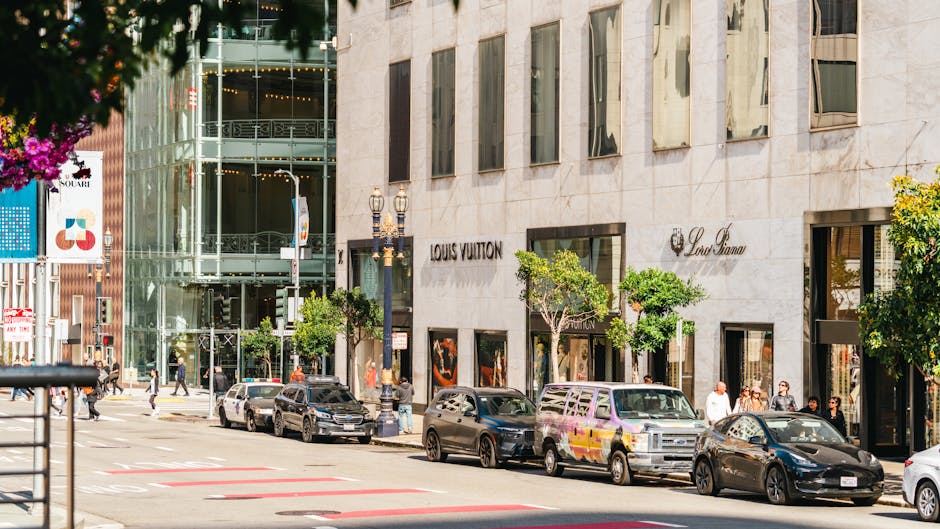
The divide between Italian and French luxury is often characterized as a conflict between the “maker” and the “designer.” Italian brands like Ermenegildo Zegna (now simply Zegna) and Loro Piana are unique because they own the entire supply chain. Zegna, for instance, owns the farms in Australia that produce their wool, the mills in Italy that weave it, and the workshops that sew the suits. This vertical integration allows for technical innovations like “Oasi Cashmere” or “Trofeo Wool”—fabrics that are proprietary and unavailable to other designers. When you buy a Zegna suit, you are paying for the engineering of the fabric as much as the cut.
French houses, such as Dior Men or Saint Laurent, often focus more on the silhouette and the cultural narrative. Under Kim Jones, Dior has successfully blended traditional tailoring with technical fabrics, but the emphasis remains on the “look.” For a researcher of menswear, the choice between these two schools depends on whether you prioritize the tactile experience of the fabric or the architectural precision of the design. Italian luxury tends to feel better on the skin, while French luxury tends to look more striking in a photograph. There is a reason why Zegna’s “Triple Stitch” sneaker ($750 – $1,100) has become a uniform for the global elite; it prioritizes ergonomic comfort and material flexibility over loud branding.
| Brand | Core Strength | Primary Fabric Focus | Approximate Suit Price |
|---|---|---|---|
| Zegna | Technical Innovation | Trofeo Wool / Oasi Cashmere | $3,500 – $6,000 |
| Dior Men | Modern Silhouette | Wool Crepe / Technical Blends | $3,200 – $5,500 |
| Loro Piana | Material Rarity | Vicuna / Baby Cashmere | $5,000 – $25,000 |
Quiet Luxury Leaders: Analyzing the Rise of Loro Piana and The Row
The term “quiet luxury” has been analyzed to exhaustion, but from a research perspective, it represents a return to intrinsic value. Loro Piana is the undisputed leader here. They are the world’s largest processor of cashmere and the exclusive purveyors of Vicuna—the rarest animal fiber on earth. A Loro Piana Vicuna overcoat can retail for upwards of $30,000. Why? Because the fiber is harvested from wild animals in the Andes that can only be shorn every three years. The resulting fabric is lighter, warmer, and softer than any sheep-derived wool. This isn’t about status symbols; it is about the physical limits of textile science.
Similarly, The Row, founded by Mary-Kate and Ashley Olsen, has carved out a significant space in men’s luxury by removing all external branding. Their focus is on the “perfect” version of basic items. A white t-shirt from The Row costs $450, which seems absurd until you examine the seam construction and the micron count of the cotton. They use a specific long-staple cotton that provides a subtle sheen and a weight that prevents the garment from becoming sheer over time. For the man who wants to move through the world without being a walking billboard, these brands offer a level of discretion that is itself a luxury.
The true test of a luxury garment is how it looks after twenty wears. Mid-market brands rely on chemical finishes to make a garment feel soft in the store; luxury brands rely on the quality of the raw fiber, which actually improves with age and proper care.
Loro Piana Material Excellence
- Model Highlight: Open Walk Ankle Boot (~$1,050)
- Pro: Water-repellent suede and a patented non-slip sole that is exceptionally comfortable for travel.
- Con: The white sole is prone to staining and requires professional cleaning to maintain its appearance.
Best Designer Brands for Modern Tailoring and Evening Wear
If your needs lean more toward formal occasions, Tom Ford remains the dominant force. Ford’s aesthetic is unapologetically masculine, characterized by wide peak lapels, roped shoulders, and a suppressed waist. Unlike the soft, deconstructed tailoring of the Italians (often called “Sprezzatura”), Tom Ford’s suits are highly structured. They are designed to create an idealized masculine V-taper. This level of internal construction—using high-quality horsehair canvas—ensures the suit retains its shape even after hours of wear. A Tom Ford tuxedo is a definitive statement piece, typically retailing between $5,000 and $8,000.
For a more contemporary take on tailoring, Prada offers a unique proposition. Prada’s luxury is intellectual and often industrial. They pioneered the use of high-grade nylon (Pocono) in luxury, but their wool tailoring is equally impressive. Prada suits often feature a higher button stance and a narrower trouser, appealing to a younger, more fashion-forward demographic. The “con” with Prada is often the sizing; it is notoriously unforgiving for anyone with an athletic or larger build. However, their Saffiano leather accessories are among the most durable in the world due to the cross-hatch wax treatment that resists scratches and water damage.
Tom Ford Tailoring Specs
- Model Highlight: Shelton Base Two-Piece Suit (~$5,400)
- Pro: Incredible structural integrity; the canvassing molds to your body over time.
- Con: The aggressive styling can feel “too much” for conservative business environments.
Prada’s Industrial Luxury
- Model Highlight: Re-Nylon Blouson Jacket (~$2,100)
- Pro: Sustainable material that is virtually indestructible and easy to clean.
- Con: High price point for what is essentially a synthetic material, regardless of the brand prestige.
Identifying Authentic Quality: A Researcher’s Checklist for Luxury Purchases
Before committing to a four-figure purchase, a discerning buyer should look for specific markers of quality that go beyond the label. First, check the seam density. High-end luxury garments typically feature a higher number of stitches per inch (SPI), which prevents the seam from puckering or pulling apart under tension. In tailoring, look for hand-padded lapels. If you look at the underside of a lapel on a Zegna or Brioni jacket, you should see tiny, irregular stitches. This indicates that the canvas was attached by hand, allowing the lapel to roll naturally rather than looking flat and pressed.
Second, evaluate the buttonholes. In true luxury, these are hand-stitched (indicated by a slightly raised, textured feel) and are always “functional” on suit sleeves. While functional buttons are now occasionally found on cheaper suits, the quality of the stitching around them remains a tell-tale sign of the garment’s origin. Finally, consider the origin of the fabric. A “Made in Italy” tag is good, but a tag that identifies the specific mill—such as Vitale Barberis Canonico or Carlo Barbera—is better. These mills represent the elite tier of textile production, and their involvement is a guarantee of the raw material’s pedigree.
- Check the Canvas: Pinch the fabric near the buttonholes of a jacket. If you feel a third layer floating between the outer wool and the inner lining, it is a full canvas construction.
- Inspect the Hardware: Zippers should be Riri or Lampo brand; buttons should be genuine horn or mother-of-pearl, never plastic.
- Analyze the Knit: For sweaters, hold the garment up to the light. A dense, tight knit with minimal light passing through indicates higher durability and less likelihood of stretching.
- Verify the Grain: On leather goods, the grain should be tight and consistent. Avoid “genuine leather” tags, which often denote the lowest grade of split leather; look for “full-grain” or “top-grain.”
Ultimately, the best luxury fashion brands for men are those that provide a transparent link between the price paid and the labor and materials involved. Whether it is the rare Vicuna of Loro Piana or the architectural tailoring of Tom Ford, these brands succeed because they offer something that cannot be replicated by mass-production techniques. By focusing on these analytical markers of quality, you can build a wardrobe that is not only stylish but is also a sound financial investment in your personal presentation.