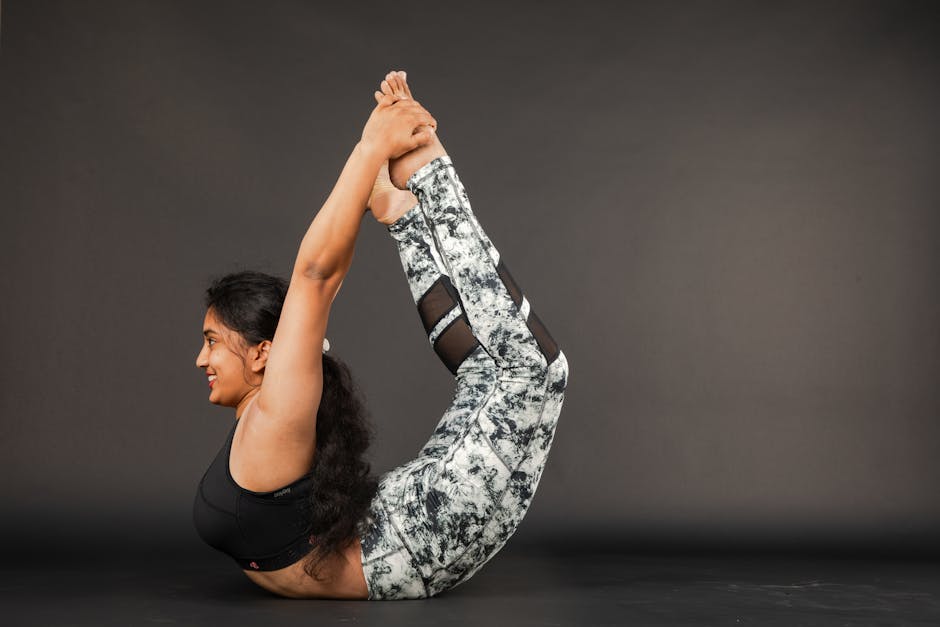
According to recent consumer behavior analytics, users are approximately 85% more likely to purchase a garment after viewing it in motion compared to viewing a static, often heavily retouched, studio photograph. This statistic is particularly relevant for the activewear sector, where performance variables like tensile strength, opacity under stress, and moisture-wicking properties are impossible to gauge from a 2D image. The rise of the “best leggings videos” as a search category reflects a shift in how we vet our wardrobes. We no longer trust the airbrushed perfection of a brand’s lookbook; we want to see the fabric stretch, the waistband migrate, and the seams respond to real-world movement.
The Evolution of the Digital Fitting Room: Why Video Wins
Static imagery is inherently deceptive when it comes to technical fabrics. A pair of leggings might look sleek and opaque on a model standing perfectly still under professional lighting, but the moment that same fabric is subjected to a deep squat or a high-intensity sprint, the structural integrity changes. This is where high-quality video content becomes an essential tool for the modern consumer. Video provides a 360-degree view of the garment, allowing the viewer to observe how the fabric drapes, where it bunches, and how it reflects light in different environments.
When searching for the best leggings videos, you aren’t just looking for aesthetic inspiration. You are looking for a diagnostic tool. A video captures the “grin-through” effect—a phenomenon where the white elastic fibers of the fabric become visible through the dye when stretched, indicating a lower-quality knit. It also highlights the “roll-down” factor. By watching a reviewer transition from a standing position to a seated or bent position, you can see if the waistband stays anchored or if it collapses under the pressure of the abdomen. These are nuances that a thousand-word product description cannot convey with the same immediacy.
Top YouTube Channels for Objective High-Motion Legging Reviews
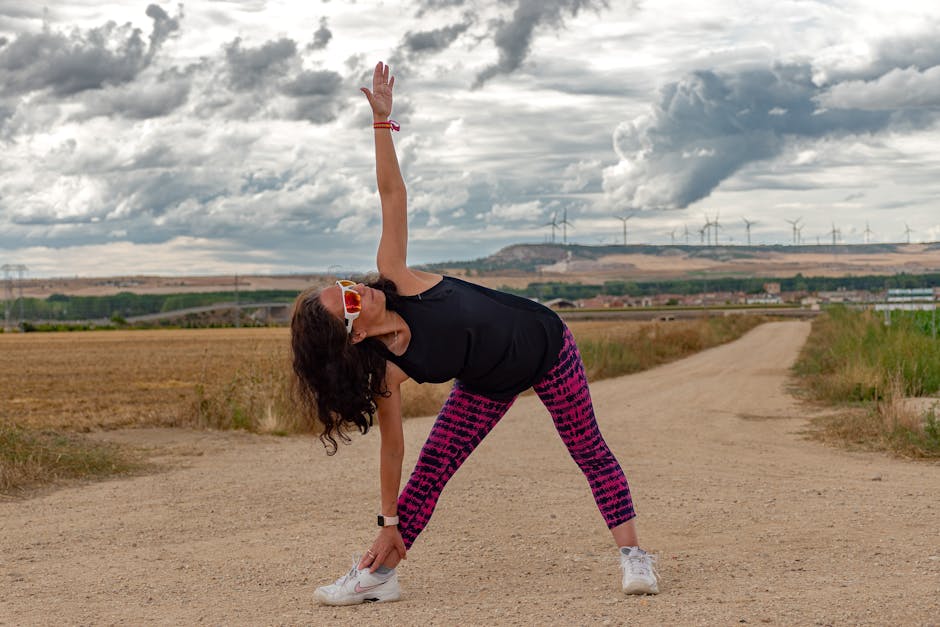
The landscape of video reviews is vast, but only a few creators have mastered the art of objective, data-driven testing. These reviewers treat activewear like engineering samples rather than just fashion items. They often use micrometers to measure fabric thickness and conduct standardized wash tests to check for pilling and shrinkage over time.
Kathryn Mueller: The Gold Standard for Technical Analysis
Kathryn Mueller has built a reputation for being one of the most thorough reviewers in the space. Her videos are characterized by a lack of fluff and a heavy emphasis on technical specs. She frequently reviews both high-end brands like Lululemon (approx. $98-$128) and budget-friendly Amazon alternatives like CRZ Yoga (approx. $28-$32).
- Pro: Uses a consistent “squat test” in every video with varied lighting to ensure maximum transparency checking.
- Con: The level of detail might be overwhelming for someone just looking for a quick style recommendation.
HopeScope: The Variety and Durability Specialist
HopeScope focuses on the longevity of the garment. Her “best leggings videos” often involve testing the most famous leggings in the world against extreme conditions or comparing them to dirt-cheap versions to see if the price tag is justified. She is particularly good at identifying “dupes” that actually perform as well as the originals.
- Pro: Excellent at showing how leggings fit on different body types and during high-impact movements.
- Con: High-energy editing style can sometimes distract from the raw data of the fabric performance.
| Brand Mentioned | Average Price | Primary Video Benefit | Common Drawback Noted |
|---|---|---|---|
| Lululemon Align | $98 | Shows true “naked feel” drape | Pilling visible in 4K after washes |
| Gymshark Vital | $54 | Demonstrates compression levels | Sweat patches show clearly on camera |
| Colorfulkoala | $29 | Verifies squat-proof claims | Waistband tension varies by batch |
Analyzing the Squat Test Methodology in Viral Social Media Reviews
The “squat test” has become the universal benchmark for leggings, popularized largely through TikTok and Instagram Reels. However, not all squat tests are created equal. A truly useful video review will perform the squat test in front of a direct light source. Backlighting can hide transparency issues, while front-facing light reveals exactly how much skin or undergarment is visible through the fibers. The best leggings videos specifically address the “sheer factor” by wearing high-contrast undergarments (like neon or patterned pieces) beneath the leggings to provide a definitive pass/fail grade.
Beyond transparency, the squat test in a video reveals the behavior of the gusset. The gusset is the diamond-shaped piece of fabric sewn into the crotch area to distribute stress. In lower-quality videos or static photos, you can’t tell if the gusset is pulling or if the seams are beginning to “smile” (stretch to the point of breaking). A high-definition video allows you to see the tension on the thread. If the thread is a different color than the fabric or if it looks strained during a deep lunging motion, that is a clear indicator that the leggings will not survive a year of consistent gym use.
A common mistake viewers make is ignoring the sound in these videos. The “swish” of fabric or the audible snap of a waistband can tell you more about the material composition—specifically the ratio of nylon to polyester—than the tag itself.
How to Identify Authentic Legging Reviews Versus Sponsored Brand Content
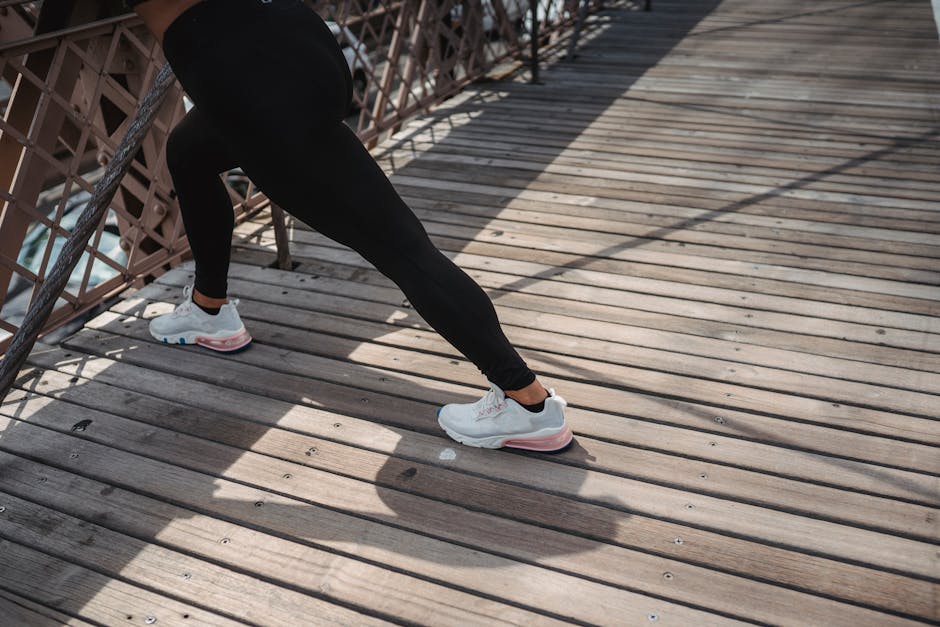
The challenge with finding the best leggings videos is navigating the sea of sponsored content. Brands often provide influencers with free products and a script, which can lead to a bias toward positive reviews. To find authentic data, you must look for specific markers of independence. An independent reviewer will often point out the “crotch-camel-toe” potential, the lack of pocket depth, or the way the fabric attracts pet hair—details a brand would never want highlighted.
Look for videos where the creator has purchased the items with their own money. These are often titled “Not Sponsored” or “Honest Review.” Pay attention to the “wear test” segment. A reliable video doesn’t just show the leggings right out of the package; it shows them after a four-hour hike or a heavy leg day. Authenticity is found in the imperfections: the sweat marks that won’t go away, the waistband that required three adjustments during a run, or the piling that developed between the thighs after just two wears. If a video feels like a commercial, it probably is.
Comparing Fabric Performance: Compression and Moisture Wicking on Camera
Compression is one of the hardest things to communicate through a screen, yet the best leggings videos manage it by showing the “pinch test.” A reviewer will pull at the fabric at the mid-thigh and the waist. If the fabric snaps back instantly with a sharp sound, the compression is high. If it stretches out and slowly returns to shape, it is a low-compression, lounge-oriented fabric. This visual cue is vital for athletes who need muscle support during recovery or high-intensity training.
Moisture-wicking is another critical variable. In video reviews, you should look for the “water drop test.” Some reviewers will literally pour a small amount of water on the leggings to see if it beads up and rolls off (indicating a DWR coating or high synthetic content) or if it soaks in immediately and creates a dark patch. For those who do high-intensity interval training (HIIT), seeing how a light gray or pastel-colored legging handles moisture in a video can save you from a very embarrassing gym session. Video captures the transition of the fabric from dry to wet in real-time, providing a realistic expectation of how the garment will perform under duress.
Nylon vs. Polyester: The Visual Difference
Nylon-heavy leggings (like the Lululemon Align) have a matte, buttery look on camera. They don’t reflect much light and tend to look more like a second skin. Polyester-heavy leggings (common in many budget brands) often have a slight sheen or “plastic” look under studio lights. While polyester is more durable and holds color better, the video will show you if that sheen makes the leggings look “cheap” or if it provides a flattering, athletic glow.
The Role of Styling Videos in Maximizing Legging Versatility
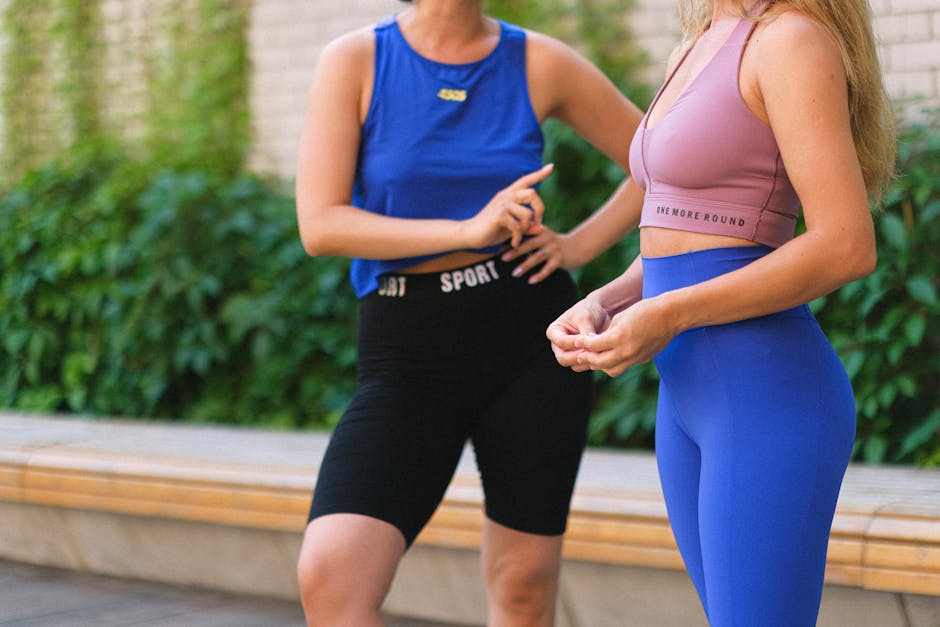
While performance testing is the primary use for these videos, styling content serves a different search intent: versatility. The best leggings videos in the lifestyle category often focus on the “gym-to-street” transition. These videos are helpful because they show how the leggings interact with other textures, such as oversized wool sweaters, leather jackets, or chunky sneakers. A video allows you to see if the leggings look like pajamas when paired with a blazer or if they maintain a structured, professional silhouette.
Pay close attention to the ankle area in these videos. Static photos often hide “bunching” at the hem by tucking the excess fabric into boots or folding it under. A styling video shows the true length. If you see the fabric rippling around the reviewer’s ankles as they walk, you know the inseam might be too long for a shorter frame. Similarly, videos show how the waistband interacts with cropped tops. Does the waistband stay flat, or does it create a “muffin top” effect because the elastic is too narrow? This visual information is crucial for those using leggings as a staple in a capsule wardrobe.
Technical Checklists for Evaluating Legging Quality Through Digital Media
To truly leverage the best leggings videos, you need a mental checklist of what to look for as the reviewer moves. The human eye is excellent at detecting anomalies in motion that it misses in stillness. By focusing on specific technical points, you can deconstruct a review and extract the most relevant data for your needs.
The Seam Strength and Stitching Density
When the reviewer turns around or stretches, look closely at the seams. Are they flatlock seams? Flatlock seams are sewn edge-to-edge without overlapping, which prevents chafing. In a video, these look like wide, flat tracks of thread. If you see a standard raised seam, be aware that this can cause irritation during long-distance running or cycling. Also, check for “thread popping.” If you hear a faint cracking sound or see loose threads when the reviewer pulls the waistband, the stitching density is too low for the fabric’s stretch capacity.
The Waistband Integrity Test
The most common complaint with leggings is the waistband rolling down. In a video, watch the reviewer perform a “hinge” movement (bending at the waist). If the top of the waistband flips over or slides down even an inch, it will likely be a constant nuisance during an actual workout. Look for leggings that have a “contoured” waistband—one that is slightly higher in the back than the front. This is easily visible in a side-profile video and is a hallmark of high-quality pattern making that accommodates the natural curves of the human body.
- Fabric Sheen: Does it look metallic? This often indicates high heat was used during manufacturing, which can make the fabric brittle.
- Gusset Shape: Look for a triangular or diamond-shaped insert. A simple T-junction seam is a sign of cheap construction and high failure risk.
- Compression Recovery: Watch how the fabric behaves after the reviewer takes the leggings off or pulls them hard. Does it sag, or does it snap back?
By shifting your focus from the aesthetics of the influencer to the mechanics of the garment, you turn “best leggings videos” into a powerful research tool. The goal is to minimize the trial-and-error process of online shopping. In an era where return shipping is increasingly costly and environmentally taxing, using high-motion video to vet your activewear is not just a trend—it is a logical evolution of the informed consumer’s workflow.