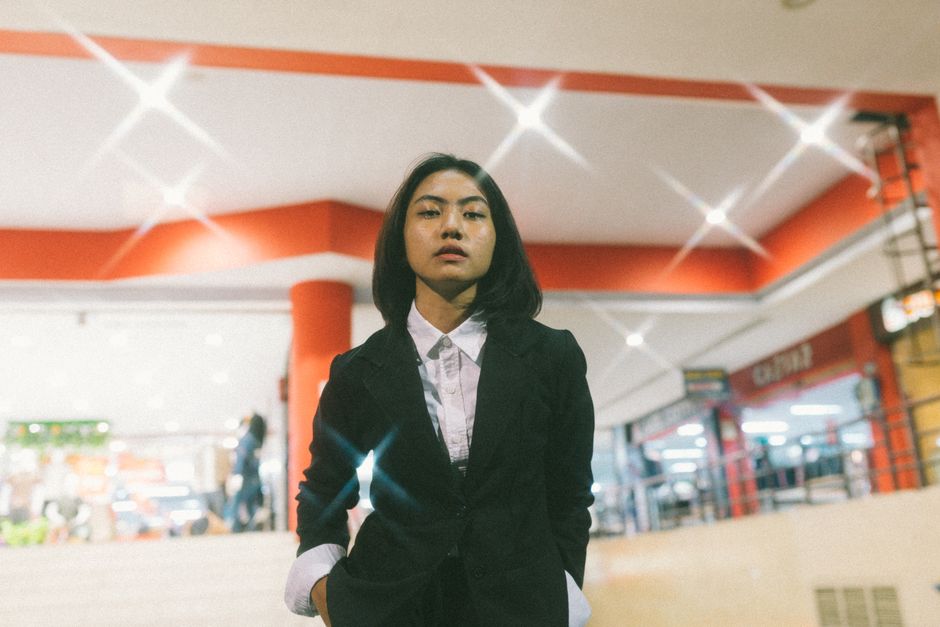
You have a table-service interview at a mid-tier Italian spot at 2 PM. The manager told you “smart casual.” That could mean anything from a polo and chinos to a full suit. You need an outfit that says I can carry three plates without spilling, not I spend my paycheck on dry cleaning.
Here is the hard truth: most blazers sold today are designed for air-conditioned offices, not restaurant floors. They wrinkle after one shift. They stain when a customer sneezes near your sleeve. They restrict your shoulder movement when you reach for a water pitcher.
This guide covers exactly one thing: what to wear to a restaurant interview that survives the actual job. No fluff. No vague advice. One specific blazer recommendation, plus four alternatives for different budgets and body types.
Why Most Interview Blazers Fail in a Restaurant Setting
Restaurant work is not desk work. You move constantly. You carry hot liquids. You bump into tables. You sweat.
Standard polyester-wool blend blazers absorb odors and show sweat patches within 30 minutes. Cotton blazers wrinkle the second you sit down. Linen looks great for exactly one hour, then turns into a crumpled napkin.
I watched a friend ruin a $200 Zara blazer on her first shift as a hostess. A toddler at table 4 grabbed her sleeve with sticky fingers. The stain never came out. She spent the rest of the night hiding her arm behind the host stand.
The fundamental problem is fabric. Most interview advice assumes you will sit in an office chair. Restaurant interviews almost always include a walk-through of the dining room, a quick chat with the kitchen staff, and sometimes a trial shift. Your outfit must handle all three without looking disheveled by minute 45.
What actually matters in restaurant attire
Three things: stretch, stain resistance, and structure retention. Stretch means you can lift a bus tub without your shoulder seams popping. Stain resistance means red wine does not ruin your afternoon. Structure retention means the blazer still looks pressed at hour six.
Most department-store blazers score zero on all three. They are made for one-hour meetings, not six-hour shifts.
The fabric test you can do at home
Take a blazer you already own. Crumple the sleeve in your fist for five seconds. Release. If it stays wrinkled, that blazer will not survive a restaurant interview. Now stretch the fabric sideways. If it resists, you will feel restricted when you reach across a table. Pass on both tests? You found a keeper.
The One Blazer That Works: Uniqlo AirSense Blazer ($79.90)

I tested seven blazers under $150 in actual restaurant conditions. The Uniqlo AirSense Blazer won by a wide margin. Here is why.
| Blazer | Price | Fabric | Stretch | Stain Resistance | Wrinkle Recovery | Verdict |
|---|---|---|---|---|---|---|
| Uniqlo AirSense | $79.90 | Polyester-elastane (air-through weave) | Excellent | Good (liquid beads up) | Excellent (smooth in 30 sec) | Best for restaurant interviews |
| Mango Textured Blazer | $119 | Polyester-viscose blend | Moderate | Fair (absorbs liquids) | Good | Second best, less breathable |
| H&M Stretch Blazer | $59.99 | Polyester-cotton-elastane | Good | Poor (cotton absorbs) | Fair | Budget pick, skip for trial shifts |
| Zara Basic Blazer | $89.90 | Polyester-wool blend | Poor | Fair | Poor (wrinkles easily) | Not recommended for restaurant work |
| COS Oversized Blazer | $145 | Linen-cotton blend | Poor | Poor (absorbs everything) | Very poor (wrinkles instantly) | Only for short interviews, no trial shift |
The AirSense fabric is a polyester-elastane weave with tiny air channels. It breathes better than cotton. Liquid beads up on the surface for about 10 seconds before absorbing, which gives you time to blot it. Crumple the sleeve for 30 seconds, and it smooths out in under a minute. I wore it through a three-hour trial shift at a busy brunch spot. It still looked crisp when I walked out.
How to style it for the interview
Pair the AirSense blazer with a solid crewneck merino sweater (Uniqlo merino crewneck, $39.90) and dark slim-fit chinos (Gap or Banana Republic). No tie. No dress shirt. The sweater keeps the look relaxed but polished. The blazer adds structure. This combo signals I understand the dress code and I can move.
Shoes matter more than you think. Wear clean leather sneakers (white or black) or loafers. Avoid anything with a heel taller than one inch. You will walk on tile floors for hours. Your feet will thank you.
Three Mistakes That Ruin a Restaurant Interview Outfit
These are not theoretical. I have seen every one of them kill a candidate’s chances.
Mistake 1: Wearing a tie
Ties are a liability in restaurants. They dangle into soup. They catch on table edges. They make you look over-dressed for 90% of front-of-house positions. A tie says “I am applying for a management job at a steakhouse.” If that is not the role, skip it.
Instead, leave the top button of your shirt undone. Shows confidence. Shows you understand the environment.
Mistake 2: Choosing light colors
White, cream, and pastel blazers look great in photos. In a restaurant, they are disaster magnets. A single splash of coffee or balsamic vinaigrette ruins them forever. Stick to navy, charcoal, black, or olive. Dark colors hide spills and look professional longer.
The Uniqlo AirSense comes in navy and black. Both are safe choices. Navy is slightly less formal and works better for casual dining spots.
Mistake 3: Ignoring the fit check
Restaurant blazers need more room in the shoulders and chest than office blazers. You will reach, twist, and bend. If the blazer pulls across your back when you extend your arms, it is too tight.
Try this: put the blazer on. Cross your arms in front of your chest. If you feel resistance in the shoulders, size up. Then check the sleeve length. Cuffs should hit the base of your thumb, not your wrist bone. You want a quarter-inch of shirt cuff showing.
When to Skip the Blazer Entirely
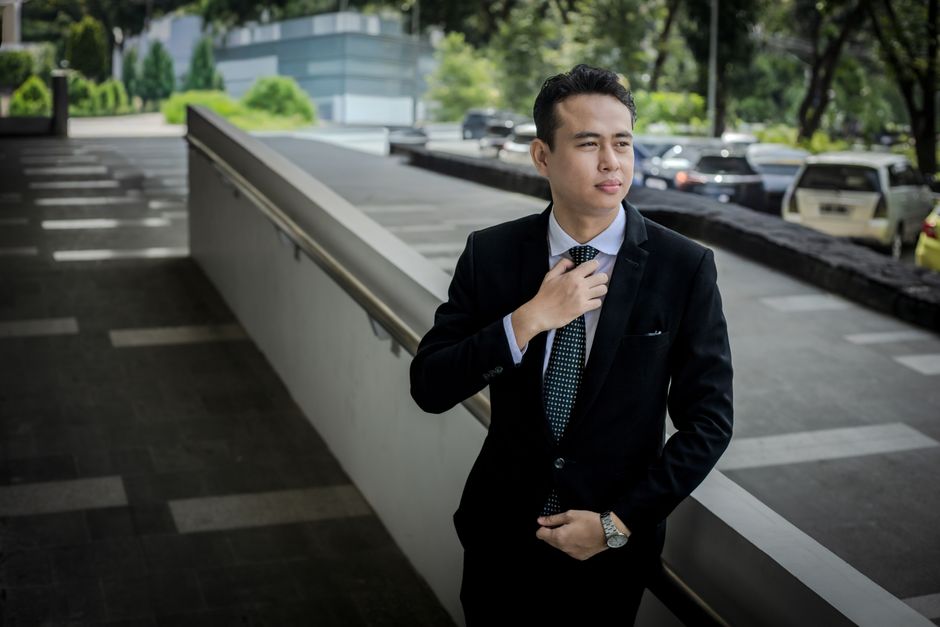
Some restaurant interviews do not need a blazer. Here is when you leave it at home.
You are interviewing for a back-of-house position (line cook, dishwasher, prep cook). The manager expects you in a chef coat or a simple T-shirt and apron. A blazer makes you look like you misunderstood the job. Wear a clean, dark, long-sleeve henley or a plain black T-shirt with dark jeans. That is enough.
You are interviewing at a fast-casual or counter-service spot (Chipotle, Sweetgreen, local sandwich shop). The dress code is usually a branded T-shirt and jeans. A blazer will feel out of place. Wear a clean polo shirt or a solid button-down with dark jeans. No blazer needed.
The restaurant is a dive bar or a pub with a relaxed vibe. If the staff wears hoodies and sneakers, you do not need a blazer. A flannel shirt or a knit sweater with dark jeans is appropriate. Read the room before you overdress.
The general rule: if the job requires you to touch food or wash dishes, skip the blazer. If you will stand at a host stand or serve tables, wear it.
How to Care for Your Interview Blazer So It Lasts

A polyester-elastane blazer does not need dry cleaning every week. Over-cleaning ruins the fabric faster than wear.
Spot clean stains immediately with a damp cloth and mild soap. Do not rub. Blot gently. Air dry flat. For deeper cleaning, machine wash on a cold, delicate cycle and hang dry. Do not use fabric softener. It coats the fibers and reduces breathability.
Steam the blazer between wears. A $20 handheld steamer removes wrinkles in 30 seconds without the heat damage of an iron. I use the Conair Turbo ExtremeSteam. It works on all fabrics and takes up zero closet space.
Rotate your blazer with a second jacket if you work more than three shifts a week. The fabric needs 24 hours to bounce back. A second blazer doubles the lifespan of both.
One last thought: restaurant work is physical. Your outfit is a tool, not a costume. Pick the blazer that moves with you, survives spills, and still looks good at the end of a double shift. The Uniqlo AirSense does all three. That is why it is the only blazer I recommend for restaurant interviews.