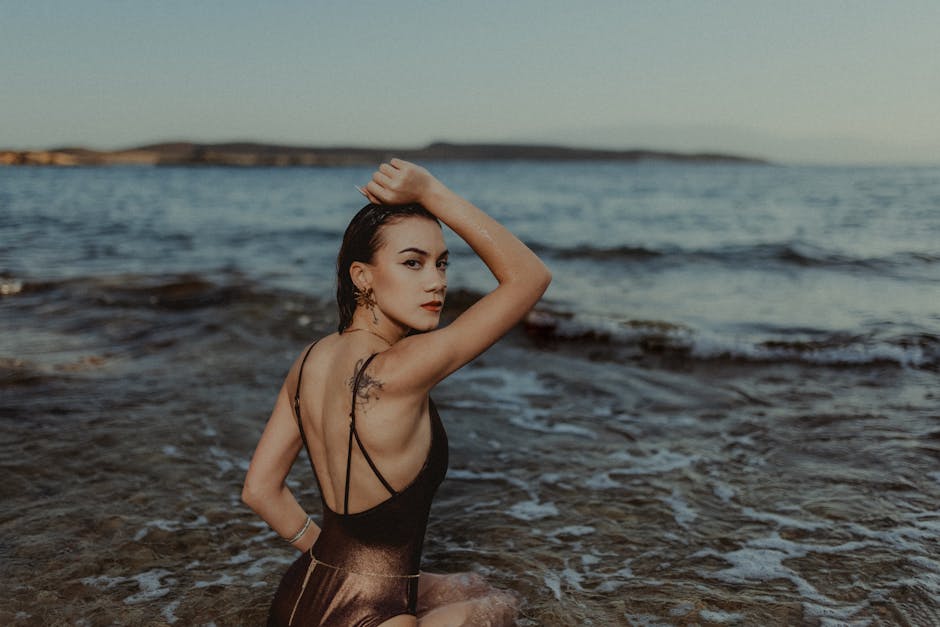
Greece demands specific swimwear. Don’t show up unprepared. The wrong suit ruins comfort, style, and your entire vibe. This isn’t about fleeting trends; it’s about making smart choices for island hopping, ancient site exploration, and sun-soaked days. Get it right the first time.
Forget String Bikinis for Island Hopping
Listen up: string bikinis are a trap for Greek islands. They look great in a perfectly staged photo, sure, but practically, they’re a nightmare. You need security. You’re getting on boats, climbing ancient ruins in Mykonos, navigating pebble beaches in Santorini, or scrambling onto a catamaran for a caldera cruise. A tiny triangle top or a minimal bottom shifts, gaps, and leaves you exposed. It’s annoying. It’s distracting. You’ll spend more time adjusting than enjoying that view of the Aegean Sea. This isn’t a leisurely dip in a calm pool; it’s an active, dynamic vacation. Your swimwear needs to keep up. Period.
The Greek experience isn’t just lying flat on a towel. It’s active. Think cliff jumping at Sarakiniko in Milos, exploring hidden coves in Zakynthos, or simply dealing with the gentle swell on a ferry. You need swimwear that stays put. This means wider straps, fuller coverage bottoms, and robust fabrics that hold their shape. Brands like Andie Swim with their “The Amalfi” one-piece or “The Santorini” top offer proper support and a streamlined look. Summersalt has excellent options like “The Sidestroke,” which is both stylish and functionally secure. You need to move, swim, and explore without constantly yanking your suit back into place. That’s non-negotiable.
Why the “Barely There” Look Fails Here
It’s simple: Greek beaches are diverse, and most aren’t the soft, powdery sand you might expect from a Caribbean postcard. Many are pebble, shingle, or even volcanic rock. Getting in and out of the water, sitting on uneven surfaces – a minimal bottom offers zero protection and often rides up uncomfortably. The waves, even gentle ones from a passing boat or a stiff Meltemi wind, can dislodge a string top instantly. Picture yourself scrambling up a ladder onto a boat, and your top slips. Not ideal. You’ll spend more time fixing your suit than soaking in the breathtaking scenery. Prioritize function over fleeting fashion trends when packing for Greece.
Best Bets for Active Greek Days
Look for suits with adjustable, sturdy straps and well-constructed bodices. One-pieces from brands like Miraclesuit or even performance-focused brands like Speedo (yes, their contemporary lines like HydroSense offer surprisingly chic and supportive options) provide fantastic support and stay put. If bikinis are your absolute preference, opt for high-waisted bottoms and bralette-style or athletic tops. Think brands like CUPSHE for budget-friendly but structured options, or Boden’s tankini tops which offer more coverage and better bust support. The goal is comfort, confidence, and coverage that allows you to fully engage with your Greek adventures, not just observe them from the shore. Don’t underestimate the power of a well-fitting, practical swimsuit.
Your Greece Swimwear Mistakes, Fixed.

People make obvious mistakes with swimwear, especially for a destination like Greece. Let’s fix them before you even pack. This isn’t complex, but it’s crucial.
Is Cotton Swimwear Okay?
No. Absolutely not. Cotton absorbs water like a sponge, gets incredibly heavy, takes forever to dry, and sags horribly. It will chafe. You’ll feel miserable, and frankly, look pretty sloppy after your first dip. Cotton is for cover-ups, not for getting wet. Stick to synthetic blends. Lycra, spandex, nylon, and polyester – these are your friends. They dry fast, retain their shape after countless swims, and resist the damaging effects of chlorine and salt. Don’t compromise here. A 100% cotton suit is a non-starter for serious swimming or sunbathing in a saltwater environment. The weight alone will drag you down. Avoid this rookie error entirely.
Do I Really Need Multiple Suits?
Yes, you do. One suit isn’t enough. You’ll swim daily, guaranteed. You need at least one suit to dry while you wear another. Minimum two. Ideally, three or four for a week-long trip. This isn’t about vanity; it’s about hygiene and practicality. Drying suits on a balcony in the Greek sun is quick, sure, but having options prevents dampness, allows for different activities, and extends the life of each suit. Think: a chic one-piece for a more upscale beach club or boat day, a more minimal bikini for intense sunbathing, and a sporty option for unexpected water sports like paddleboarding or snorkeling. Rotating your swimwear allows each piece to fully dry and recover its shape, preventing fabric fatigue and lingering damp odors. It’s just smart planning.
Can I Just Buy One When I Get There?
You can, but don’t expect quality, variety, or a fair price. Tourist shops will have cheap, flimsy options, often at inflated prices. They’re typically generic designs, ill-fitting, and won’t last past one trip – if they even survive the first swim. You’ll waste valuable vacation time hunting for something decent and likely settle for something you don’t love. Buy your swimwear before you go. Invest in pieces that fit well, are made from durable, quick-drying materials, and make you feel confident. It saves you money, stress, and ensures you actually like what you’re wearing on those stunning Greek beaches. Don’t rely on last-minute purchases for core wardrobe items like swimwear; it rarely works out.
What Your Greek Swimsuit MUST Have
This isn’t rocket science, but people consistently get it wrong. Here’s the checklist for what your Greek swimwear absolutely needs. No exceptions. This ensures comfort, longevity, and a stress-free vacation.
- Durability: The Greek sun, the salty Aegean Sea, and resort pool chlorine are harsh. Your suit needs to withstand it without fading, stretching, or losing its shape after just a few wears. Look for fabrics that explicitly mention “chlorine resistant,” “saltwater resistant,” or “UV protection” (UPF 50+ is ideal). Brands like J.Crew and Lands’ End are known for using higher quality, more robust blends of nylon and spandex that stand up to repeated exposure. Cheap suits will look faded and tired by day three. Don’t compromise on fabric quality; it’s the foundation of a good swimsuit.
- Quick-Drying Fabric: This is absolutely essential. You’ll be in and out of the water constantly – from the hotel pool to the sea, back to the pool, then maybe a shower. A suit that takes hours to dry is a massive hassle. It feels clammy, heavy, and can lead to chafing. This means blends high in nylon and spandex are . Polyester is also an excellent choice due to its hydrophobic properties. Avoid anything that feels heavy, thick, or has a high cotton content. You want to be able to towel off, throw on a cover-up, and be dry enough to head to lunch within minutes, not hours.
- Proper Support: Especially crucial if you have a larger bust. Underwire, molded cups, or adjustable thick straps make a huge difference in comfort and confidence. You’re moving, swimming, and potentially dealing with waves, not just posing. Flimsy triangle tops or unlined bralettes offer little to no actual support, leading to discomfort and constant adjustments. Brands such as Figleaves, Freya, or Panache Swim specialize in D+ cup sizes and offer excellent, engineered support in a wide range of stylish designs. Even for smaller busts, a well-constructed suit prevents sagging and offers a more flattering silhouette.
- Versatility: Can you wear it to a chic beach club, then easily throw on shorts and a linen shirt to walk to a taverna for lunch? Can it handle a vigorous boat trip and a casual dip, then still look good for sunset cocktails? Multi-functional suits are key for efficient packing and stylish transitions. A sophisticated one-piece can easily double as a stylish bodysuit or top under a skirt or wide-leg trousers. High-waisted bikini bottoms can be paired with a loose button-down shirt for an effortless resort look. Maximize your wardrobe by choosing pieces that work beyond just the water.
- Coverage Options: This isn’t just for modesty; it’s vital for sun protection and practical comfort. While a minimal bikini might be your preference, having options is smart. A stylish rash guard (UPF 50+) is a smart addition for intense sun days, especially on boat trips or if you’re fair-skinned. A sarong, pareo, or lightweight kaftan is non-negotiable for walking to and from the beach, or for moments when you need a little more coverage. Don’t rely solely on a tiny bikini for every scenario; have layers and alternatives ready. Sunburn ruins vacations.
The point is utility, comfort, and longevity, not just fleeting aesthetics. Your Greek vacation deserves swimwear that supports your adventures, not hinders them.
Top Brands & Styles for Your Greek Adventure

You need specifics. Not just “buy a good suit.” These are solid choices that actually perform, are widely available, and will stand up to the rigors of a Greek vacation. Don’t overthink it; pick from these, and you’ll be set.
| Brand/Style | Why it Works for Greece | Key Features | Typical Price Range |
|---|---|---|---|
| Andie Swim – The Amalfi One-Piece | Excellent coverage and reliable support, elegant design that transitions seamlessly from active beach days to sophisticated beach clubs or boat trips. It stays put. | Smoothing, quick-drying fabric (80% Nylon, 20% Spandex), built-in shelf bra for light support, adjustable straps, options for full or cheeky bottom coverage. UPF 50+. | $98 – $125 |
| Summersalt – The Sidestroke One-Piece | An iconic, flattering, and incredibly secure design. Great for active days like snorkeling or paddleboarding, but also perfect for just lounging stylishly. Known for its comfortable, all-day wear. | Signature compression fabric (78% Recycled Polyamide, 22% Elastane) smooths and sculpts, unique one-shoulder design provides excellent support, full bottom coverage, wide color range. UPF 50+. | $95 – $125 |
| Boden – Santorini Bikini Top & High-Waist Bottom | Offers fantastic mix-and-match versatility with reliable support, especially for those needing more bust structure. British sizing is often generous, and the overall quality is consistently high. | Available with underwire or molded cup options for varied support levels, classic designs with modern twists, durable chlorine-resistant fabrics (80% Polyamide, 20% Elastane), excellent for larger busts. | Tops: $60-80, Bottoms: $40-60 |
| J.Crew – Ruched Bandeau One-Piece | A classic for a reason. Great structure, holds its shape beautifully, and can be easily dressed up or down. This is a timeless option that always looks chic and put-together. | Removable halter strap for versatile styling and tanning, quick-drying nylon/spandex blend, soft cups for modesty and light shaping, strategic tummy control ruching for a flattering fit. | $98 – $120 |
| Lands’ End – Chlorine Resistant One-Piece | Utterly practical and built for longevity and performance, particularly if you anticipate swimming daily in chlorinated pools or salty seas. Focuses on comfort and durability. | High-quality fabric blend (83% Nylon, 17% Spandex) offering UPF 50 sun protection, superior chlorine resistance to prevent fading, available in various cup sizes (D-cup, DD-cup) and torso lengths, often includes tummy control features. | $80 – $110 |
These brands understand what actually works for a demanding vacation environment. They prioritize fit, fabric integrity, and practical design over fleeting trends. Don’t skimp on quality here; it pays off in comfort, confidence, and not having to replace a faded, stretched-out suit halfway through your trip. Choose wisely.
Get the Right Suit. End of Story.
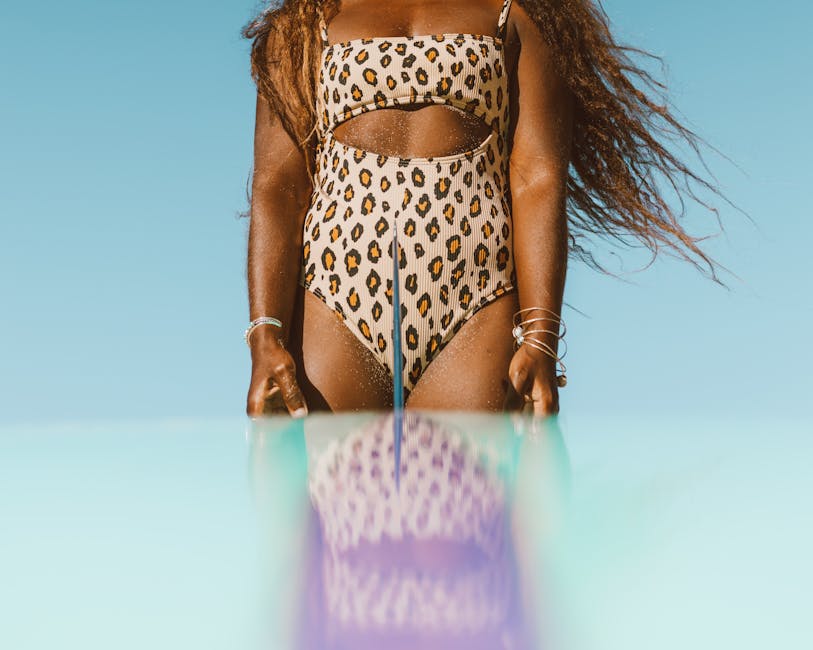
Don’t waste your precious Greek vacation fumbling with a bad swimsuit. Buy smart. Get durable, supportive, quick-drying pieces that actually stand up to the sun, salt, and activity. Your comfort and confidence on those stunning beaches are non-negotiable. Now go enjoy Greece. You’re welcome.