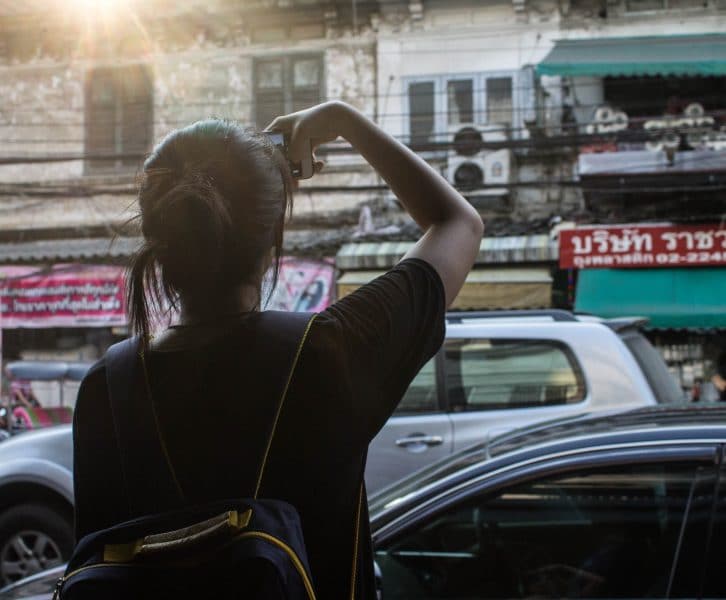
You booked the one-way flight to Bangkok. You have a 40-liter backpack and a vague idea about “finding yourself.” Then, three weeks in, you’re standing in a 7-Eleven at midnight, eating toasties because you can’t stomach another plate of pad thai, and your bank account is crying. I’ve been there. Let me save you the toastie phase.
Your Packing List Is Wrong — Here’s What You Actually Need
That backpack you bought? It’s probably too big. Most first-timers bring way too much. The real trick is to pack for 10 days, then do laundry. You do not need seven pairs of shorts. You need two good ones.
The 6kg Rule
Budget airlines in Asia — think Air Asia, Scoot, VietJet — have strict carry-on limits. Typically 7kg total. That includes your backpack. A 65-liter bag empty weighs 2kg. You have 5kg left for everything. That’s tight. A 40-liter bag (like the Osprey Farpoint 40, roughly $180) weighs 1.4kg. You get 5.6kg for gear. That’s the difference between breezing through security and paying a $50 overweight fee.
Clothes That Work in a Temple and a Nightclub
You need clothes that cover your knees and shoulders for temples. But it’s 35°C. Solution: Uniqlo Airism long-sleeve shirts ($20 each) — they breathe, dry in two hours, and you can wear them into a wat. For nights, a pair of black linen pants ($15 from a market in Chiang Mai) dresses up fine. Leave the denim at home. Denim in humidity is a crime against humanity.
The Shoe Math
Take two pairs maximum. One pair of sturdy sandals (like Teva Hurricane XLT2, $65) and one pair of lightweight sneakers (like New Balance Fresh Foam X Hierro v7, $140). Hiking boots are overkill unless you’re trekking for weeks straight. Sandals work for 90% of days. Sneakers for the rest.
One more thing: pack a dry bag. A Sea to Summit Ultra-Sil Dry Bag ($25, 8 liters) keeps electronics and documents alive during monsoon rains. That’s non-negotiable.
Budgeting for a Year: The Real Numbers
People online say “you can live on $20 a day in Southeast Asia.” That’s true if you sleep in dorms, eat street food, and never take a taxi. But you will want a private room sometimes. You will want a nice dinner. Here’s what a realistic monthly budget looks like for a mid-range traveler in 2026.
| Expense | Thailand | Vietnam | Indonesia (Bali) |
|---|---|---|---|
| Dorm bed (hostel) | $8-12/night | $5-8/night | $10-15/night |
| Private room (guesthouse) | $20-30/night | $15-25/night | $25-40/night |
| Street food meal | $1.50-3 | $1-2 | $2-4 |
| Sit-down restaurant meal | $5-10 | $3-6 | $6-12 |
| Local beer | $1-2 | $0.50-1 | $2-4 |
| Scooter rental (daily) | $6-10 | $5-8 | $5-8 |
| Laundry service (per kg) | $1 | $0.80 | $1.50 |
Realistic monthly total: $800-$1,200 for a mix of dorms and private rooms, eating local, and one or two splurges a week. If you want to stay in nicer hotels and do tours, budget $1,500-$2,000. Do not rely on $20/day. You will run out of money by month three and have to go home.
One common mistake: forgetting visa costs. Thailand offers 30-day visa exemptions, but extensions cost 1,900 baht ($55). Vietnam e-visas are $25 for 30 days. Laos visas on arrival are $35. If you’re hopping borders, those fees add up. Budget $150-200 just for visa admin over a year.
The Digital Security Setup That Keeps You Safe
Your phone is your lifeline. Maps, booking, banking, communication. If you lose it or get it hacked, your trip stops. Here’s the setup I use and recommend.
Two Phones, One SIM
Bring your old phone as a backup. Use your main phone with a local SIM. In Thailand, AIS tourist SIMs cost about $15 for 30 days with unlimited data (15GB at full speed then throttled). In Vietnam, Viettel offers similar deals. Keep your home SIM in the backup phone, on airplane mode, for 2FA codes. This way, if your main phone gets stolen, you still have access to banking apps.
VPN Is Non-Negotiable
Public Wi-Fi in hostels and cafes is wide open. A VPN encrypts everything. Mullvad ($5/month, no account needed) is the gold standard for privacy. ProtonVPN has a free tier with no data limit, but slower speeds. Use it for banking and logging into email. Do not skip this. I watched someone get their Instagram hacked from a hostel network in Chiang Mai. It’s not rare.
Password Manager
You will have 50+ accounts: Agoda, Hostelworld, Grab, Booking.com, airline accounts, visa applications. Use Bitwarden (free). Generate unique 20-character passwords for everything. Memorize one master password. That’s it.
A small thing: back up your phone photos to the cloud every night. Google Photos (free with compressed quality) or iCloud (50GB for $1/month). If your phone falls off a scooter into a rice paddy — and it will happen to someone in your hostel — you don’t lose your memories.
Getting Around Without Getting Scammed
Tuk-tuks and taxis in tourist areas will overcharge you. Every time. The fix is simple but most people don’t do it until they’ve been burned twice.
Use Ride-Hailing Apps
Grab works in Thailand, Vietnam, Malaysia, Indonesia, Singapore, and the Philippines. Gojek is bigger in Indonesia and Vietnam. These apps show the price upfront. No negotiation. No “meter is broken” lies. A tuk-tuk driver in Bangkok might charge 300 baht ($8.50) for a 10-minute ride. Grab will show you 80 baht ($2.30). Always check Grab first. If the tuk-tuk matches the price, fine. If not, get in the Grab.
Scooters: Rent Smart, Not Cheap
Renting a scooter is the best way to explore. But cheap rentals from random shops are often beat-up and uninsured. Use BikesBooking.com or Rentals.com — they aggregate vetted shops. Expect to pay $5-10/day for a Honda Wave or Yamaha NMAX. Always take a video of the scooter from every angle before you ride off. Point out existing scratches to the owner. Otherwise, you’ll pay for “damage” that was already there.
Wear a helmet. Every time. I know it’s hot. I know locals don’t always wear one. The hospital bill for a head injury will end your trip and your savings. A decent full-face helmet costs $30-40 at any local motorbike shop. Buy one on day one.
Trains and Buses: Book Ahead for Popular Routes
The overnight train from Bangkok to Chiang Mai is iconic. Sleeper berths sell out days in advance. Book on 12Go.asia or Baolau.com. Same for the Ha Giang Loop bus in Vietnam. Last-minute walk-ups end up in the aisle seat for 12 hours. Not fun.
Health and Safety: The Stuff Nobody Talks About
You will get sick. Probably in the first two weeks. That’s normal. But there are things you can do to make it a minor inconvenience instead of a trip-ender.
The Pharmacy Kit
Bring these from home: oral rehydration salts (10 packets), loperamide (Imodium, for emergency diarrhea stopping), ciprofloxacin (antibiotic for serious food poisoning — you need a prescription at home, but you can buy it over the counter in most Asian pharmacies for $5), and paracetamol. Do not buy random antibiotics from a street pharmacy without checking the expiry date. Counterfeit meds exist.
Travel Insurance: Do Not Skip It
A week in hospital in Thailand for dengue fever costs $3,000-$5,000. A scooter accident with a broken leg? $15,000+. SafetyWing (about $45/month) covers most of Southeast Asia with decent limits. World Nomads (around $100/month) has better coverage for adventure activities like scuba diving and trekking. Compare the two. Pick one. Do not travel without it. I know someone who had to crowdfund their medical evacuation from a remote island. Don’t be that person.
Water and Food Safety
Do not drink tap water anywhere in mainland Southeast Asia. Brush your teeth with bottled water. Ice in restaurants is usually made from filtered water — it’s safe. Street food is safe if it’s cooked in front of you and served hot. The stalls that have been there for years? They know what they’re doing. The risk is from food that’s been sitting out. If you see a buffet with flies on the chicken, walk away.
One more thing: rabies is real in Asia. Stray dogs are everywhere. Don’t pet them. If you get bitten, go to a hospital immediately. The rabies vaccine series (4 shots over 14 days) costs about $100-200 in Thailand. Getting the pre-exposure vaccine before you leave ($300-500 at home) means you only need two booster shots after a bite instead of the full series. Worth considering if you plan to be around animals.
So, back to that one-way flight you booked. You were nervous, maybe a little scared. That’s good. It means you’re paying attention. The toastie phase will pass. The pad thai will taste good again by week four. And when you’re sitting on a beach in Koh Lanta at sunset, with a cold Chang beer in your hand, knowing you packed right, budgeted right, and didn’t get scammed, you’ll realize: the hassle-free gap year wasn’t about luck. It was about prep. You’ve got this.