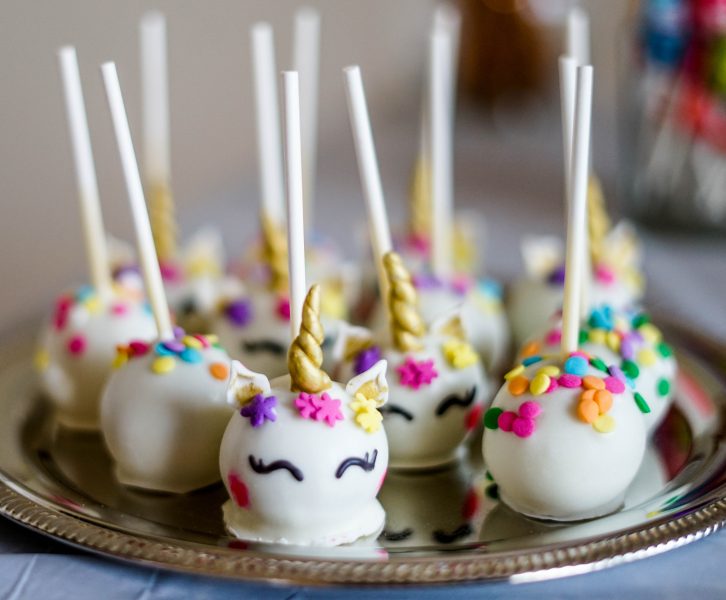
You’ve just baked a beautiful cake. Maybe it’s a birthday cake with too many leftovers, or a test run that didn’t quite turn out as planned. Perhaps the layers crumbled slightly, or the edges were a little dry. Instead of tossing those crumbs or forcing another slice, consider a transformation. This is where cake balls shine. They are the ultimate second act for any cake, turning what might be considered imperfections into perfectly portioned, delightful treats. The goal is a moist, flavorful bite, encased in a crisp, sweet shell. It’s an achievable standard, even for a beginner.
The Perennial Problem: Dry, Crumbly Cake
Often, the biggest hurdle in making excellent cake balls starts before assembly. Many home bakers find themselves with cake that’s either too dry to hold together or so crumbly it resists forming a cohesive ball. This issue frequently stems from the original cake’s texture and the amount of binder used. A dry cake struggles to absorb moisture from frosting, leading to a crumbly mixture that refuses to roll smoothly. Conversely, a cake that is too moist or dense can result in a gummy, heavy cake ball. The sweet spot is a cake that’s tender and airy, providing a good base for the added richness.
Consider the typical scenario: you have a vanilla cake, maybe a day old. It’s a little stiff, the crumbs aren’t sticking. Adding a standard amount of cream cheese frosting makes it marginally better, but it still feels like a sandcastle on the verge of collapse. This isn’t a failure in your mixing; it’s a misstep in understanding the foundational texture needed. The cake’s moisture content dictates how much binder it requires, and a pre-existing dry texture means you need to adjust your approach from the start. Ignoring this leads to frustration and subpar results.
Why Cake Crumbles: Moisture Loss Explained
Cake crumbs become dry primarily due to moisture evaporation over time. Once baked, cakes begin to lose water content, especially when exposed to air. This process accelerates if the cake is unrefrigerated or uncovered. The starches in the cake retro-grade, stiffening the structure and making it less pliable. This is why a fresh cake is inherently softer and more forgiving than one that has sat out for a day or two. For cake balls, this dryness means the crumbs have less natural adhesion. They require a more significant amount of moist binder to achieve the desired pliable, dough-like consistency. It’s not about making the cake wet; it’s about rehydrating and binding the dry particles effectively.
The Right Cake for Cake Balls
Any cake can technically become a cake ball, but some types yield superior results. A **yellow cake** or **devil’s food cake** provides a sturdy yet tender crumb. These cakes typically have a good fat content, which helps retain moisture even after a day. Sponge cakes, while light, can sometimes be too airy and absorb too much frosting, leading to a overly sweet or dense ball. On the other hand, richer cakes like a dense chocolate fudge cake can be perfect, often requiring less frosting due to their inherent moisture. The ideal starting point is a cake that is slightly firm but still tender, with crumbs that can be easily broken down and packed together. Avoid cakes that are excessively oily or have large fruit pieces, as these can interfere with the rolling and dipping process.
Avoiding Common Cake Ball Pitfalls
Creating perfect cake balls involves more than just mixing crumbs and frosting. Several common mistakes can derail the process, leading to sticky hands, uneven shapes, and cracked coatings. Understanding these issues beforehand saves time and ensures a better finished product. The key is balance and patience.
- Incorrect Crumb-to-Frosting Ratio: This is the most frequent error. Too much frosting makes the mixture overly sticky and difficult to roll, often resulting in a soft, shapeless ball. Too little frosting leaves the mixture dry and crumbly, preventing it from holding its shape. The ideal consistency is like a soft play-dough – pliable but not sticky, holding its form when squeezed. A good starting point is about 16 ounces (one standard tub) of frosting per 13×9 inch cake or 16-18 cupcakes. Adjust from there.
- Insufficient Chilling Time: Skipping or shortening the chilling phase is a critical mistake. Chilling the cake balls firms them up significantly. This hardens the fat in the frosting, making the balls easier to handle and less prone to crumbling or distorting when dipped in warm coating. A minimum of 30-60 minutes in the refrigerator, or 15-20 minutes in the freezer, is essential.
- Overly Thick Coating: If your melted chocolate or candy melts are too thick, they will create an uneven, clumpy coating that cracks upon drying. This often happens if the coating material is too cool or hasn’t been thinned properly. Add a small amount of a neutral oil (like coconut oil or vegetable shortening) or specialized thinning agent to achieve a smoother, more fluid consistency. Start with 1 teaspoon per 12 ounces of coating and add more as needed.
- Dipping Too Quickly or Roughly: Dipping a cold cake ball into warm coating too quickly can cause the ball to crack from thermal shock. Dip gently and swiftly. Use a dipping tool or fork to submerge the ball completely, tap off excess, and transfer immediately. Rough handling can dislodge crumbs or create an uneven surface.
- Not Smoothing the Balls: Small lumps or uneven surfaces on the cake balls will translate directly to the final coated product. Spend a moment rolling each ball smoothly between your palms. This ensures a professional, polished finish.
Under-mixing and Over-mixing
When combining cake crumbs and frosting, the goal is uniformity without pulverizing the cake. Under-mixing leaves pockets of dry crumbs or unblended frosting, leading to an inconsistent texture in the final ball. Conversely, over-mixing can turn your cake into a dense, gummy paste, losing the delicate crumb structure entirely. Use your hands to mix, gently but thoroughly, until the mixture is uniform and can be pressed into a cohesive ball without crumbling or sticking excessively. This tactile approach allows you to feel the correct consistency developing.
Coating Challenges
Dipping cake balls is often the trickiest part. The temperature of your coating material is . Chocolate or candy melts that are too hot will melt the cake ball, causing it to fall apart or create a messy, uneven finish. Too cool, and the coating becomes too thick, resulting in a heavy, clumpy layer that can easily crack. Aim for a temperature around 90-92°F (32-33°C) for most candy melts and tempered chocolate. Use a deeper bowl than you think you need, allowing for full submersion without scraping the bottom. This prevents excess coating from accumulating on the bottom of your cake ball.
The Expert Cake Ball Recipe
We believe the best cake balls are simple, moist, and consistent. This recipe focuses on precise ratios and techniques to deliver perfect results every time. It’s adaptable to nearly any cake flavor, making it a versatile foundation for your dessert repertoire. The key is in the texture of the mixed cake and frosting – it should feel like soft modeling clay. If it’s too sticky, add a tablespoon of powdered sugar. If it’s too dry, add a teaspoon of milk or more frosting.
Ingredient Selection: What You Need
- One 13×9 inch baked cake (e.g., yellow, chocolate, red velvet), cooled completely
- 16 ounces cream cheese frosting or buttercream frosting
- 18-24 ounces candy melts (e.g., vanilla, chocolate, colored) or good quality melting chocolate
- 1-2 teaspoons neutral oil (coconut oil or vegetable shortening), optional for thinning coating
- Sprinkles or other decorations (optional)
Step-by-Step Assembly
- Crumble the Cake: Place the cooled cake into a large mixing bowl. Using your hands, crumble the cake thoroughly until no large chunks remain. The texture should resemble coarse sand or fine breadcrumbs.
- Add Frosting: Add the frosting to the crumbled cake. Begin with about three-quarters of the frosting, mixing with your hands. Continue mixing until the frosting is fully incorporated and the mixture comes together. Test the consistency by pressing a small amount between your fingers; it should hold its shape and feel pliable. Add more frosting, a tablespoon at a time, if the mixture is too dry.
- Roll the Balls: Using a small cookie scoop (about 1.5 tablespoons), portion out the mixture. Roll each portion firmly between your palms to form smooth, round balls. Aim for uniformity in size. Place the rolled balls onto a parchment-lined baking sheet.
- Chill Thoroughly: Once all balls are rolled, place the baking sheet in the refrigerator for at least 30-60 minutes, or in the freezer for 15-20 minutes. This step is critical for firming the balls, preventing them from falling apart during dipping.
- Melt the Coating: While the cake balls chill, melt your candy melts or chocolate. Place them in a microwave-safe bowl. Microwave in 30-second intervals, stirring well after each, until smooth and fully melted. If the coating is too thick, stir in 1 teaspoon of neutral oil at a time until the desired fluid consistency is reached.
- Dip the Cake Balls: Remove the chilled cake balls from the refrigerator/freezer. Using a dipping tool or a fork, carefully submerge one cake ball into the melted coating. Ensure it’s fully covered. Lift the ball, gently tapping the tool or fork against the rim of the bowl to allow excess coating to drip off.
- Decorate and Set: Transfer the dipped cake ball to a clean parchment-lined baking sheet. If adding sprinkles or other decorations, do so immediately while the coating is still wet. Repeat with the remaining cake balls.
- Final Chill: Allow the coated cake balls to set completely at room temperature or by refrigerating for 10-15 minutes.
Chilling and Dipping Techniques
Optimal chilling means a firm, cold core. This prevents the cake ball from softening or crumbling when it hits the warm chocolate. When dipping, speed is your friend. A quick, complete submersion and swift removal minimize the time the cake ball spends in the warm coating, reducing the risk of it breaking apart. For a truly smooth finish, hold the dipping tool over the bowl for a few seconds longer than you think, letting every last drip fall back into the bowl. This prevents puddles of chocolate forming at the base of your cake balls.
Flavor Pairings for Your Cake Balls
The beauty of cake balls lies in their versatility. You can match nearly any cake flavor with a complementary frosting and coating, creating endless combinations. This table highlights some tried-and-true pairings, as well as some more adventurous options to inspire your next batch.
| Cake Flavor Base | Recommended Frosting | Coating Recommendation | Optional Topping/Decoration |
|---|---|---|---|
| Vanilla / Yellow Cake | Cream Cheese or Vanilla Buttercream | White Candy Melts or Milk Chocolate | Rainbow sprinkles, crushed Oreos |
| Chocolate Cake | Chocolate Fudge or Cream Cheese | Dark Chocolate or White Candy Melts | Chocolate shavings, cocoa powder dust |
| Red Velvet Cake | Cream Cheese Frosting | White Candy Melts or Dark Chocolate | Red velvet crumbs, white chocolate drizzle |
| Lemon Cake | Lemon Buttercream or Cream Cheese | White Candy Melts (lemon-infused) | Lemon zest, yellow sanding sugar |
| Carrot Cake | Cream Cheese Frosting | White Candy Melts or Milk Chocolate | Crushed walnuts, cinnamon sprinkle |
| Spice Cake | Cream Cheese Frosting | White Candy Melts or Caramel Flavored Coating | Pecan pieces, dash of nutmeg |
| Strawberry Cake | Strawberry or Vanilla Buttercream | Pink Candy Melts or White Chocolate | Freeze-dried strawberry pieces |
Classic Combinations
For a foolproof crowd-pleaser, combine a **chocolate cake** with rich chocolate fudge frosting, then dip in dark chocolate. This delivers an intense cocoa experience that satisfies almost everyone. Another classic is a **red velvet cake** with tangy cream cheese frosting, coated in white candy melts. The contrast in flavor and color is visually appealing and delicious. These combinations work because the flavors naturally complement each other without being overwhelming.
Adventurous Options
Ready to experiment? Try a **lemon cake** with a bright lemon buttercream, then coat it in white chocolate infused with a hint of extra lemon zest. Or, for a unique twist, use a **spice cake** base with cream cheese frosting, and dip in a caramel-flavored coating, finishing with a sprinkle of toasted pecans. These pairings push traditional boundaries, offering unexpected yet delightful flavor profiles. Don’t be afraid to mix and match; sometimes the most unusual combinations create the most memorable desserts.
Storing Your Finished Cake Balls
Once coated and set, cake balls remain fresh and delicious for several days. Store them in an airtight container at room temperature for up to 2-3 days. For longer storage, refrigerate them for up to one week. If you plan to make them well in advance, cake balls freeze exceptionally well. Place them in a single layer in an airtight container, separating layers with parchment paper, and freeze for up to one month. Thaw in the refrigerator before serving. They maintain their texture and flavor remarkably well.