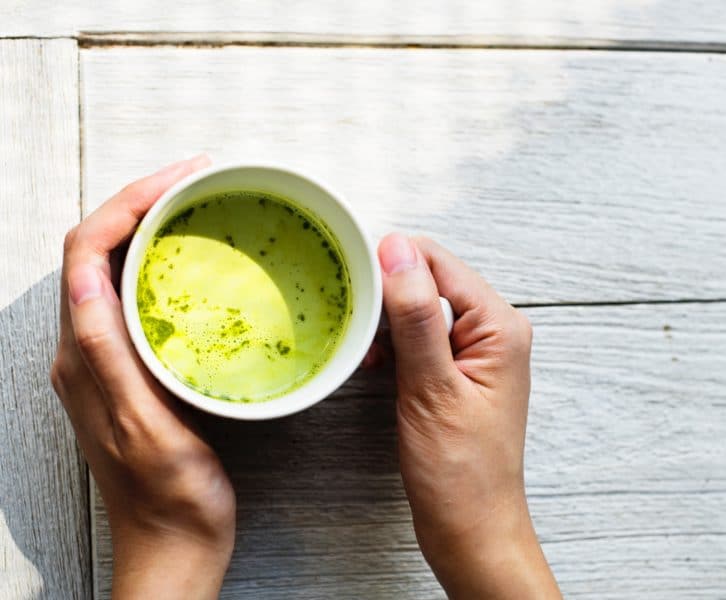
You’ve seen the vibrant green lattes online, perhaps even tried a smooth, earthy cup from a local café. Now, you’re ready to bring that experience home. The thought of whisking your own perfect bowl of matcha is exciting, but then you face unfamiliar terms: ceremonial, culinary, chasen, chawan. It feels daunting. This guide cuts through the confusion, giving you the exact steps and knowledge you need to consistently craft delicious matcha.
Decoding Matcha Grades: What You’re Actually Buying
Before you even think about whisking, understanding matcha grades is crucial. It’s not just about price; it’s about taste, intended use, and ultimately, your satisfaction. The market offers a spectrum, from vibrant ceremonial grades ideal for traditional drinking to robust culinary grades designed for mixing.
Matcha quality is primarily determined by its origin, the processing of the tea leaves, and the fineness of the grind. Leaves for higher grades come from the first harvest, typically in spring, benefiting from specific shading techniques that boost chlorophyll and amino acid content. Lower grades often use leaves from later harvests or include more stems and veins, impacting flavor and color. Knowing the distinctions prevents disappointment and ensures you choose the right matcha for your desired outcome.
Ceremonial Grade: The Gold Standard
This is the crème de la crème of matcha. Ceremonial grade matcha uses the youngest, most tender tea leaves from the first harvest. These leaves are meticulously stone-ground into an incredibly fine powder, preserving their vibrant green color and delicate flavor profile. It’s characterized by a rich umami taste, natural sweetness, and a complete absence of bitterness when prepared correctly. This grade is specifically intended for drinking straight, as usucha (thin tea) or koicha (thick tea), without any added milk or sweeteners.
Expect to pay a premium for true ceremonial grade matcha. Brands like Marukyu Koyamaen Isuzu Matcha typically retail for around $30-40 for a 30-gram tin, while Ippodo Sayaka no Mukashi might range from $45-55 for 40 grams. These prices reflect the careful cultivation, selective harvesting, and traditional stone-grinding process that ensures a superior product.
Culinary Grade: Versatility for Everyday
Culinary grade matcha, sometimes labeled “premium culinary” or “café grade,” is processed from more mature tea leaves, often from later harvests. While still green tea, it has a bolder, more astringent flavor profile designed to stand up to other ingredients like milk, sugar, or flavorings. Its color is generally less vibrant, leaning towards a duller green or yellowish-green, and its texture can be slightly coarser than ceremonial grade.
This grade is perfect for lattes, smoothies, baking, and cooking. It provides that distinctive matcha flavor without the delicate nuances of ceremonial grade being lost or overpowered by other components. Brands such as Maeda-en Culinary Matcha are often available for $15-20 per 100-gram bag, and Jade Leaf Organic Culinary Matcha might cost $20-25 for 100 grams. These are more economical options because the production methods are less labor-intensive, often involving machine grinding.
Key Differences: Flavor, Color, Texture
The differences between grades are immediately apparent:
- Flavor: Ceremonial offers a complex umami, sweetness, and minimal bitterness. Culinary presents a stronger, more astringent, sometimes grassy flavor that cuts through other ingredients.
- Color: High-quality ceremonial matcha boasts a brilliant, vibrant jade green. Culinary grades are typically a duller, more muted green, often with yellowish undertones.
- Texture: Ceremonial is incredibly fine and silky, dissolving smoothly into water. Culinary can be slightly coarser, sometimes resulting in a grittier mouthfeel if not sifted and whisked thoroughly.
Choosing the right grade ensures your matcha experience matches your expectations, seeking a meditative solo drink or a flavorful ingredient for your next culinary creation.
Essential Tools for Authentic Matcha Preparation
Crafting perfect matcha isn’t just about the tea itself; it’s also about having the right equipment. These traditional tools are designed to unlock matcha’s full potential, ensuring a smooth, frothy, and clump-free beverage. Investing in these items elevates your preparation from a simple drink to a mindful ritual.
-
The Whisk (Chasen): Bamboo Matters
The chasen, or bamboo whisk, is perhaps the most iconic and indispensable tool. Its purpose is twofold: to break down any matcha clumps and to aerate the tea, creating that signature frothy texture. Chasens come in various prong counts, typically 80, 100, or 120 prongs. A higher prong count generally means a finer, denser foam and more efficient whisking.
- 80-prong chasen: Good for beginners, offers a decent foam. Often costs $15-25.
- 100-prong chasen: The most popular choice, providing a superior, creamy foam. Expect to pay $20-35.
Always rinse your chasen thoroughly with warm water immediately after use and allow it to air dry on a whisk holder (kusenaoshi) to maintain its shape and prevent mold. Never put it in a dishwasher.
-
The Bowl (Chawan): Shape and Size
The chawan, or matcha bowl, is specifically designed for whisking and drinking. Its wide mouth allows for unrestricted whisking motion, while its flat bottom helps prevent the chasen from getting stuck. Traditional chawans are often ceramic or stoneware, with varying glazes and textures. The material also influences heat retention, which is important for keeping your matcha warm.
- A good quality chawan typically holds between 300-500ml and costs $30-80, depending on craftsmanship and origin.
Choose a bowl that feels comfortable in your hands and provides ample space for vigorous whisking. A wider, shallower bowl is generally easier for beginners.
-
The Scoop (Chashaku): Proper Portions
The chashaku is a delicate bamboo scoop used to measure and transfer matcha powder from its tin to the chawan. While not strictly necessary (a small spoon can suffice), a chashaku provides traditional charm and consistent measurement. One heaping scoop typically equates to about 1 gram of matcha.
- These bamboo scoops are affordable, usually ranging from $8-15.
Avoid using metal spoons directly in your matcha tin, as they can sometimes scratch the delicate powder.
-
Sifter and Water Kettle: Crucial Support
Beyond the core three, a few other items greatly enhance your matcha experience:
- Matcha Sifter: A small, fine-mesh sifter ($5-10) is non-negotiable. Sifting your matcha before adding water removes any tiny clumps and ensures a smoother, more consistent texture, which is vital for good foam.
- Electric Kettle with Temperature Control: Precision in water temperature is key. A variable temperature kettle allows you to hit the exact 70-80°C (158-176°F) needed for optimal matcha preparation. The Fellow Stagg EKG electric kettle ($160-190) offers precise control and a gooseneck spout, while budget-friendly options like the Cosori Electric Kettle ($40-50) also provide temperature presets.
Step-by-Step: Whisking Your First Bowl of Usucha
This is where the magic happens. Making usucha, or thin tea, is the most common and accessible way to enjoy ceremonial matcha. Follow these precise steps for a perfectly frothy, delicious cup every time.
Prepping Your Gear: Warmth and Sifting
- Warm Your Chawan: Pour hot water (around 80°C / 175°F) into your chawan. Swirl it around for 10-15 seconds to warm the bowl and also to soften the prongs of your chasen by briefly soaking it in the hot water.
- Discard and Dry: Pour out the warming water. Using a clean cloth, thoroughly dry the inside of your chawan. Any residual water can negatively impact the whisking process.
- Sift the Matcha: Place a small, fine-mesh sifter over your dry chawan. Scoop two heaping chashaku scoops (approximately 2 grams) of ceremonial matcha powder into the sifter. Gently tap the sifter or use the chashaku to push the powder through. This crucial step eliminates clumps, ensuring a smooth, lump-free beverage.
The Perfect Water Temperature: Precision is Key
- Heat the Water: Using your temperature-controlled kettle, heat fresh water to 70-80°C (158-176°F). This temperature range is critical. Water that is too hot (above 80°C) will burn the delicate matcha, resulting in a bitter taste and reduced umami. Water that is too cold will prevent the powder from dissolving properly and inhibit foam formation. If you don’t have a temperature-controlled kettle, boil water and let it sit for about 2-3 minutes to cool down to the ideal range.
- Add Water to Matcha: Carefully pour 70-80ml (approximately 2.5-3 ounces) of the precisely heated water over the sifted matcha in your chawan.
Mastering the "W" Motion: Froth for Flavor
- Submerge the Chasen: Hold your chawan firmly with one hand. Dip the prongs of your pre-softened chasen into the matcha liquid.
- Begin Whisking: Whisk vigorously in a rapid "W" or "M" motion. The key is to move the whisk from your wrist, not your entire arm, keeping it just above the bottom of the bowl without scraping. Focus on creating tiny bubbles and incorporating air into the liquid. Aim for a bright green, creamy foam covering the entire surface. This process usually takes 30-60 seconds.
- Refine the Foam: As the foam develops, gradually slow your whisking. For the last few seconds, gently glide the chasen just on the surface of the foam, moving it in a circular motion to pop any larger bubbles and create a finer, smoother layer of foam.
- Serve Immediately: Once a uniform, creamy foam is achieved, slowly lift the chasen straight out of the bowl. Your perfect bowl of usucha is ready. Drink it immediately to enjoy its freshness and vibrant flavor.
Troubleshooting Common Matcha Mishaps
Even with the right tools and steps, you might encounter a few common issues. Don’t worry; most matcha mishaps have simple solutions. Understanding these common pitfalls will help you refine your technique and consistently produce a superior cup.
Why is my matcha clumpy?
Clumps are one of the most frequent frustrations for new matcha drinkers. The primary culprit is almost always not sifting your matcha. Matcha powder is incredibly fine, making it prone to clumping, especially if exposed to any moisture or humidity. Without sifting, these tiny clumps resist dissolution, leading to a gritty texture.
To avoid this, always use a fine-mesh sifter to push your matcha powder through directly into your dry chawan. Ensure your chawan is completely dry before adding the sifted powder. If clumps still appear after sifting, it could be due to insufficient or too gentle whisking. You need a vigorous, quick motion to fully disperse the powder.
My matcha tastes bitter. What went wrong?
Bitterness is often a sign that something went awry with your preparation, not necessarily the matcha itself (assuming you’re using ceremonial grade for drinking). The most common reason for bitterness is using water that is too hot. Water above 80°C (176°F) can scorch the delicate tea leaves, releasing unpleasant, bitter compounds.
Always use water heated to precisely 70-80°C. If you lack a temperature-controlled kettle, boil water and let it cool for 2-3 minutes. Another factor could be using a culinary grade matcha for straight drinking; these grades are formulated to be bolder and more astringent. Lastly, using too much matcha for the amount of water can concentrate the flavor excessively, leading to bitterness. Stick to 2 grams of matcha for 70-80ml of water for usucha.
How do I get a good foam (usucha)?
Achieving that beautiful, creamy foam (known as chagashira) is a hallmark of well-prepared usucha. If your matcha lacks foam, several elements might be at play:
- Whisking Technique: You need a brisk, energetic "W" or "M" motion, whisking from the wrist. The speed and aeration are key. Don’t just stir; actively incorporate air.
- Chasen Quality: A denser chasen, like a 100-prong, generally produces finer, more persistent foam than an 80-prong.
- Water Temperature: Water that is too cold will hinder foam formation. Ensure it’s within the 70-80°C range.
- Sifting: Clumps prevent proper aeration. Always sift your matcha powder.
- Whisking Duration: It takes time. Whisk for at least 30-60 seconds, or until a thick, uniform layer of foam covers the surface.
My matcha is gritty at the bottom. Why?
Grittiness can stem from a few issues. If you’re using culinary grade matcha, it naturally has a slightly coarser grind than ceremonial grade, making it more prone to settling. However, even with ceremonial grade, grittiness indicates that the powder hasn’t fully dissolved or suspended in the water.
Ensure you are sifting your matcha rigorously before adding water. Insufficient whisking is also a common cause; you need to whisk until the liquid is uniformly smooth, not just foamy. Sometimes, if the water temperature is too low, the matcha won’t dissolve as effectively. Always check your water temperature and whisk for the full recommended duration.
How long does matcha stay fresh?
Matcha is a delicate product and degrades rapidly once opened. Exposure to air, light, heat, and moisture diminishes its vibrant color, fresh aroma, and nuanced flavor. For ceremonial grade matcha, it is best consumed within 3-4 weeks after opening. Culinary grade, being slightly more robust, can last 1-2 months. Always store matcha in an airtight, opaque container in the refrigerator to maximize its freshness. Never store it in a warm, bright pantry.
Usucha vs. Koicha: A Quick Comparison
While usucha is the everyday matcha most people encounter, koicha offers a distinct, profound experience. Both are traditional preparations, but they differ significantly in consistency, intensity, and the type of matcha required. Understanding these differences helps you appreciate the full spectrum of matcha enjoyment.
Defining Usucha and Koicha
Usucha, meaning "thin tea," is the more common preparation. It’s lighter in body, frothier, and typically made with two scoops of matcha and more water. It’s what you usually see served in a casual tea setting.
Koicha, meaning "thick tea," is a much more concentrated and intense preparation, often reserved for formal tea ceremonies. It uses significantly more matcha and less water, resulting in a thick, syrupy consistency, almost like warm honey. Only the highest grades of ceremonial matcha are suitable for koicha, as any bitterness would be overwhelming in such a concentrated form.
Here’s a direct comparison of their key features:
| Feature | Usucha (Thin Tea) | Koicha (Thick Tea) |
|---|---|---|
| Matcha Grade | Ceremonial, high-quality culinary | Highest ceremonial grade only |
| Matcha Amount | 2 chashaku scoops (2g) | 3-4 chashaku scoops (4-6g) |
| Water Amount | 70-80ml (2.5-3 oz) | 30-50ml (1-1.7 oz) |
| Water Temp. | 70-80°C (158-176°F) | 70-80°C (158-176°F) |
| Consistency | Thin, frothy, like a light espresso | Thick, syrupy, almost like warm honey |
| Flavor Profile | Brighter, slightly astringent, balanced umami | Intense umami, less bitterness, deeply sweet |
| Whisking Style | Vigorous "W" motion to create foam | Gentle kneading motion, no foam, smooth paste |
| Preparation Time | ~1 minute | ~2 minutes |
While usucha offers a delightful daily ritual, koicha provides a profound, contemplative experience, truly showcasing matcha’s purest, deepest form. Experiment with both to discover your personal preference and appreciate the versatility of this exquisite green tea.