Alright, let’s get straight to it. Did you know that over 70% of people are wearing the wrong sock length for their footwear and activity? I’m not making this up. It’s a statistic I’ve seen pop up in various industry reports, and honestly, it doesn’t surprise me. Most folks just grab whatever’s clean or cheap. But after two decades of trekking, running, dressing up, and just living in all kinds of socks, I’ve developed some strong opinions. I’ve seen socks bunch, slip, disappear, and generally ruin an otherwise good outfit or activity. This isn’t about being a sock snob; it’s about comfort, performance, and looking sharp. Trust me on this: the right sock length changes everything.
Forget the generic advice. I’m going to tell you what actually works, what’s a waste of money, and how to build a sock drawer that’s ready for anything.
The Ankle Sock Dilemma: Mostly a No-Go for Me
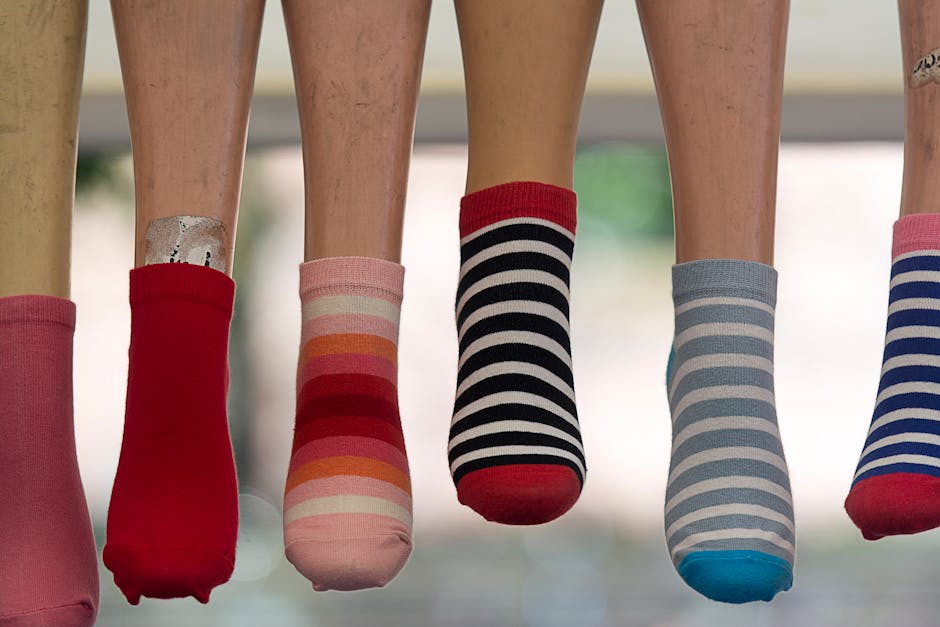
Here’s my bold take right out of the gate: unless you’re doing something highly specific, skip the ankle sock. Seriously. I know they’re popular, and maybe you think they’re sleek. But my experience tells me they’re the most problematic length on the market for daily wear. They ride low enough to expose your ankle but high enough to show above almost any shoe designed for a no-show. It’s an awkward middle ground that causes more issues than it solves.
I’ve bought countless pairs of ankle socks over the years, from cheap multi-packs to more expensive athletic versions like Nike Dri-FIT or Adidas Cushioned socks, typically priced around $10-15 for a three-pack. And almost every single time, I’ve regretted it. They slip down into my running shoes, especially if I’m logging more than a couple of miles. They chafe against the back of my heel when I’m wearing low-cut sneakers. They create an unfortunate line that breaks up the leg visually, making your legs look shorter than they are, particularly with shorts.
The one exception? Very specific athletic activities where you need *just* a little bit of padding around the shoe collar, but don’t want a full crew sock, and a no-show would still rub. Think certain types of trail running shoes with a slightly higher ankle collar that *needs* a tiny bit of protection. Even then, it’s a rare use case. For nearly everything else, there are better options. Don’t fall for the convenience trap. That little bit of exposed ankle just isn’t worth the hassle.
Why Ankle Socks Fail in Performance
Their design means they sit right at the Achilles tendon, a high-friction zone, especially during movement. When socks ride low but aren’t explicitly ‘no-show,’ they lack the structural integrity to stay put. My Bombas Performance Ankle Socks, which I got for about $16 a pair, did a better job than most at staying up, thanks to their heel grip technology, but even they weren’t immune to the occasional slide during a long run. The material matters too; thinner, less structured blends just don’t have the staying power. It’s a design flaw inherent to the length.
The Visual Misstep of Ankle Socks
From a style perspective, ankle socks are rarely the right choice. With shorts, they create an abrupt cut-off at the ankle, visually shortening the leg. With trousers or jeans, they expose a sliver of skin when you sit down, which can look sloppy and break up a clean line. This isn’t about arbitrary rules; it’s about how the eye perceives proportions. A longer sock or no sock at all creates a more continuous and intentional look. I’ve found that even with my casual sneakers like Vans Old Skool or Converse Chuck Taylors, a no-show sock or a crew sock simply looks better and feels more cohesive.
The Underrated Champion: Crew Socks for Everything Else

If there’s one length you absolutely *must* have in your drawer, it’s the crew sock. This is my daily driver, my workhorse, my go-to for probably 80% of situations. It hits mid-calf, usually about 6-8 inches above the ankle bone. And it just works. For athletic shoes, boots, dress shoes, casual sneakers – you name it. A good crew sock provides cushioning, stays put, and protects your ankles from shoe rub and the elements.
I’ve got a drawer full of crew socks from brands like Darn Tough (around $20-25 a pair), Bombas (about $12-16 a pair), and Smartwool (also in the $18-25 range). These aren’t cheap, but they last forever and perform. The extra length means no slippage, no awkward bunching, and consistent comfort. They provide enough coverage to prevent chafing from boots or high-top sneakers, and they look sharp peeking out from under a pair of jeans or chinos. They also offer a bit of warmth in colder weather, which is a nice bonus.
Why Crew Socks Dominate
- Stay-Put Power: The longer shaft means more surface area to grip your calf, preventing slippage. This is especially critical for active wear or for boots.
- Protection: They protect your shins and ankles from rubbing against shoe collars, debris, or cold weather.
- Versatility: They pair well with virtually any shoe type, from hiking boots to dress Oxfords, and look appropriate with both casual and more formal trousers.
- Style: A well-chosen crew sock can add a pop of color or pattern to an outfit, or simply provide a clean, continuous line under trousers. I often use my Stance crew socks (typically $15-20) with bolder patterns to add personality to a simple outfit.
Choosing the Right Crew Sock
When you’re buying crew socks, think about the fabric and the fit. Merino wool blends, like those from Darn Tough or Smartwool, are fantastic for their temperature regulation and moisture-wicking properties, making them ideal for both summer and winter. Cotton blends are fine for casual, everyday wear, but avoid them for high-intensity activities where they’ll just soak up sweat. Look for a snug but not constricting fit around the calf; too loose and they’ll still slide down, too tight and they’ll be uncomfortable.
My advice? Invest in a few solid pairs of merino wool crews for hiking, working out, or just cold days. Then stock up on comfortable cotton or synthetic blends for your everyday errands and lounging. You won’t regret having these as your foundational sock layer.
The Art of Disappearing: When No-Show Socks are Essential
Okay, I slammed ankle socks, but no-show socks are a completely different beast. These are specifically designed to be invisible. They sit below the collar of your shoe, giving the illusion of bare ankles while still providing a layer of comfort, hygiene, and protection. For certain looks, they are absolutely non-negotiable. If you’re wearing loafers, boat shoes, certain low-cut sneakers, or espadrilles, and you want that clean, sockless look without actually going sockless (because, let’s be honest, that’s usually a bad idea), then no-shows are your best friend.
Finding No-Shows That Actually Stay Up
This is where things get tricky. Many no-show socks are terrible. They slip off your heel constantly, bunch up under your foot, and generally make you question your life choices. The key to a good no-show sock is the grip. Look for socks that have silicone strips on the inside of the heel. This tiny detail is a . I’ve tried countless brands, and the ones that consistently work for me are from Bombas (around $12-14 a pair) and Gold Toe (a bit cheaper, about $10 for a 3-pack). The silicone grip makes all the difference.
Which Shoes Demand No-Shows?
This isn’t an exhaustive list, but here are the main culprits where a no-show sock truly shines:
- Loafers: Essential for the classic, laid-back loafer look.
- Boat Shoes: You absolutely do not want socks showing with boat shoes. It ruins the aesthetic.
- Espadrilles: Similar to boat shoes, the whole point is a relaxed, sock-free vibe.
- Certain Low-Top Sneakers: Think Keds, Converse Shoreline, or some canvas sneakers where you want the shoe to be the star, not your sock.
- Derby or Oxford Shoes (with specific outfits): If you’re going for a summer suit or a very modern, relaxed dress shoe look, a no-show can work, but it’s a more advanced move.
Remember, the goal is invisibility. If you can see the sock, it’s not doing its job. They should fit snugly, have that crucial silicone heel grip, and be made of a breathable, moisture-wicking fabric to combat foot sweat, especially in warmer months. I prefer cotton or bamboo blends for breathability with no-shows.
Over-the-Calf (OTC) Socks: The Unsung Hero of Formal Wear and Boots

Most people probably don’t think much about socks that go all the way up to just below the knee, but over-the-calf (OTC) socks are indispensable for specific scenarios. If you wear suits, dress trousers, or tall boots, these are the socks you need. Period. I learned this lesson the hard way in my younger years, suffering through dress socks that constantly fell down, bunched at my ankles, and generally made me look like I’d given up on life.
OTC socks are designed to stay up without constricting. They leverage the wider part of your calf to prevent slippage. This means no more saggy socks pooling at your ankles, no more exposed skin when you sit down, and a much cleaner, more professional look. For anyone wearing a suit or business casual trousers, the unbroken line from your pant leg to your shoe is critical. OTC socks ensure that. For boots, they prevent chafing and add a layer of warmth and comfort that shorter socks can’t match.
OTC Socks: Specific Use Cases
| Situation | Why OTC Socks are Best | Typical Brands/Price Range |
|---|---|---|
| Formal Wear / Suits | Prevents exposed skin when sitting; maintains a smooth, professional line; no sagging. | Gold Toe Dress Socks ($15-20 for 3-pack), Marcoliani ($30-50 per pair), Pantherella ($25-40 per pair) |
| Business Casual Trousers | Elevates the look, ensures comfort and no bunching; prevents embarrassing ankle flashes. | Brooks Brothers ($18-25 per pair), Bombas Dress Socks ($16-20 per pair) |
| Tall Boots (Hiking, Riding, Work) | Protects against boot shaft chafing; adds warmth and cushioning; stays up under heavy wear. | Darn Tough Full Cushion Boot Socks ($25-30 per pair), Smartwool Hiking Full Cushion Crew (often considered OTC for many) ($25-30 per pair) |
| Compression Socks (Medical/Travel) | Provides graduated compression for circulation benefits; inherently OTC length for efficacy. | Jobst, Sigvaris (prices vary widely, often $30-70 per pair for medical grade) |
I find OTC socks from Gold Toe and Brooks Brothers to be excellent value for everyday dress wear. For serious hiking or cold weather with boots, Darn Tough and Smartwool are worth every penny. The material is crucial here too: fine merino wool for dress socks (thin, breathable, luxurious), and thicker merino blends for boots (cushioning, warmth, durability). Don’t cheap out on these; a good pair will last years and solve so many problems.
My Ultimate Sock Length Recommendation

After all these years, countless pairs, and far too many sock-related mishaps, my advice is simple: focus on crew socks and no-show socks. These two lengths will cover 95% of your needs. Get quality versions of both. Ditch the ankle socks unless you have a *very* specific athletic reason for them. For formal wear and boots, over-the-calf is the only way to go. Invest in good brands like Darn Tough and Bombas for versatility and durability. You’ll be more comfortable, look better, and save yourself a lot of frustration in the long run.