
Ever bought a pair of leggings that looked perfect in the store, then spent the next six hours yanking the waistband back up?
Knit leggings occupy an awkward middle ground — casual enough for the couch, polished enough to wear with an oversized blazer — and the quality gap between a good pair and a bad one is enormous. I’ve worked through at least a dozen pairs across price points, and the most expensive option is not always the winner. Here’s what I’ve actually learned, including which brands nail it and which ones waste your money.
Three Things That Actually Determine Knit Legging Quality
Most people focus on price when shopping for knit leggings, which tells you almost nothing. The three real factors are fabric composition, knit structure, and waistband construction. Get all three right and a pair will last two years with daily wear. Get one wrong and you’ll be donating them in a month.
Fabric Composition and Weight
Cotton-rich blends — typically 90% cotton with a small elastane percentage — breathe well and feel soft but can sag after a few hours on your feet. Viscose or modal blends drape beautifully but pill aggressively with repeated friction. Synthetic blends, usually nylon or polyester with elastane, hold shape better but trap heat and can feel plasticky against skin.
Weight matters more than most brands will tell you. A flimsy 140gsm knit fabric goes see-through when stretched. A 220gsm fabric holds structure. Brands almost never list gsm weight, so the practical workaround is reading verified reviews that specifically mention opacity — not the brand’s lifestyle photos, which are engineered to hide thin fabric.
Knit Density and Structure
Ribbed knit — the kind with alternating raised and recessed vertical channels — holds shape better than plain jersey, because the rib structure gives natural compression without requiring heavy lycra content. Seamless knit construction eliminates visible seam lines but can roll and shift if the knit tension is off, which varies by production batch. That’s why seamless styles get polarized reviews: one production run performs beautifully, the next doesn’t.
| Knit Type | Shape Retention | Comfort Level | Pilling Risk | Best Use Case |
|---|---|---|---|---|
| Ribbed (cotton-elastane) | Good | High | Medium | Everyday casual, outfit styling |
| Seamless knit (nylon) | Excellent | Medium | Low | Travel, polished finish |
| Jersey knit (cotton) | Poor | Very high | High | Loungewear only |
| Ponte knit (polyester-viscose) | Excellent | Medium | Low | Work-appropriate styling |
Waistband Construction
A wide, double-layered waistband distributes pressure evenly, doesn’t dig in after lunch, and stays in place without rolling. Narrow single-layer bands look sleek on a hanger and roll down in twenty minutes of actual movement. The minimum I’d accept for daily wear is a 3-inch waistband. Anything narrower belongs exclusively in loungewear.
The Best Knit Leggings Across Every Price Point
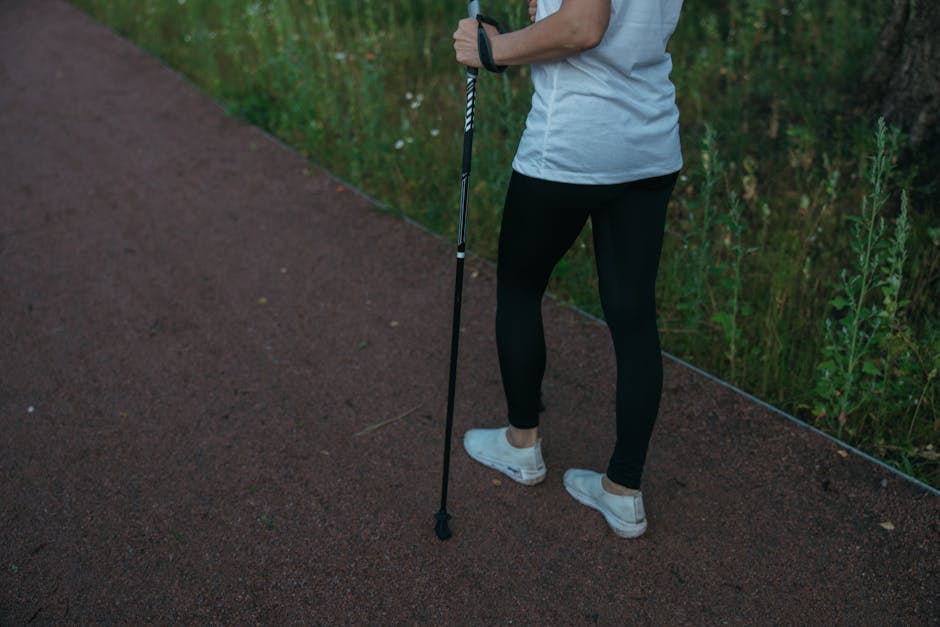
My overall pick is the Skims Cotton Rib Legging at $68. But “most people” isn’t everyone, so here’s the full breakdown from budget to investment, with honest tradeoffs for each.
Budget Pick: Uniqlo Ribbed Leggings (~$25–$30)
For under $30, these are genuinely hard to fault. The ribbed cotton-spandex blend holds its shape through multiple washes, the waistband sits flat, and the neutral colorways actually photograph as neutrals — not that muddy gray you get from budget alternatives. The limitation is fabric weight. Uniqlo’s leggings run thin, so on fuller legs the fabric can pull and become slightly translucent by end of day. If you’re petite or lean, you likely won’t hit this problem.
At $25 a pair, buying two and rotating them is still cheaper than one mid-range option. I’d recommend Uniqlo for anyone who wears knit leggings occasionally rather than daily.
Best Overall: Skims Cotton Rib Legging (~$68)
The Skims Cotton Rib Legging is 95% cotton, 5% elastane, and that cotton percentage matters for breathability and feel. The fabric has enough density to resist the knee-bag problem that plagues cheaper ribbed knits — after thirty-plus washes, the rib definition is still clear and the silhouette hasn’t lost structure. The waistband is 4 inches wide, sits at the natural waist, and does not move.
Where it falls short: cotton content means it wrinkles. Sit at a desk all day and you’ll see horizontal creases across the thighs by mid-afternoon. Dark colors — especially their black — are aggressive lint magnets. A lint roller is non-negotiable if you own these.
Mid-Range Value: COS Ribbed Knit Leggings (~$49)
COS makes a ribbed legging that punches well above its price. The fabric weight is closer to Skims than to budget options, and the minimal branding makes these look like styled separates rather than gym clothes. The waistband runs narrower than I’d like — around 2.5 inches — so it can shift during a very active day. For low-key wear, though, they’re a legitimate value find.
Investment Pick: Commando Perfect Knit Legging (~$98)
Commando’s seamless construction is why these cost $98. No seams means no rubbing, rolling, or bunching, and the nylon-spandex blend has a smooth finish that reads polished even in casual styling — with a longline blazer or a structured coat, these look like actual trousers from a few feet away. They hold color better than cotton options and compress evenly throughout without feeling like shapewear.
The honest limitation: breathability. On warm days or in heated spaces, these get uncomfortable quickly. They’re a fall and winter legging, not a year-round solution.
The Waistband Is the Only Thing That Matters on Day Two
You can love every other thing about a pair of knit leggings. If the waistband rolls, you will never wear them again. This is the number one reason knit leggings end up donated after three wears — narrow waistbands that looked fine in the fitting room fall apart in real movement. When in doubt, size up in the waist and accept slightly more fabric in the leg. You can blouse a top over extra length. You can’t fix a rolling waistband.
The Buying Mistakes That Actually Cost People Money
These are the patterns that show up repeatedly in every “why are my leggings terrible” forum thread — and in my own purchase history from a few years back.
- Trusting brand reputation over product type. A brand that makes excellent performance leggings doesn’t automatically make excellent knit leggings. These are different constructions with different engineering requirements. Lululemon’s Align legging is widely loved for its buttery nylon feel, but their knit offerings are a separate product category and not consistently as strong. Evaluate the specific product, not the brand’s general reputation.
- Ignoring fabric weight signals. Weight is almost never listed on product pages. When a brand’s lifestyle photos show the legging stretching dramatically in exaggerated poses, that’s a tell that the fabric is thin. Look for descriptions using words like “medium-weight,” “structured,” or “substantial” — or go straight to reviews and filter for anyone who mentions opacity after washing.
- Choosing the darkest black available. Very dark black knit leggings attract every piece of lint, pet hair, and fabric fluff within ten feet. If you want a dark neutral without the maintenance, charcoal or dark navy is more forgiving — reads as dark from a distance, hides debris significantly better.
- Tumble drying on high heat. High heat is the fastest way to destroy knit structure permanently. The elastane breaks down, the rib flattens, and the waistband loses retention. Air drying flat adds time but extends a pair’s usable life by twelve months or more. Not negotiable with cotton-rich blends specifically.
- Sizing based on your usual legging size. Knit leggings and performance leggings size completely differently. Knit fabric has less compression and more give, which means sizing down what you usually do in an Align or a Gymshark Vital will leave you with a legging that sags in the seat. Size to your actual measurements, not your sports legging size.
Ribbed vs. Ponte vs. Seamless: What Each Fabric Actually Feels Like to Wear
These terms get used interchangeably on product pages, but they describe fundamentally different fabrics with different behavior. Knowing the distinction before you buy saves a lot of disappointment.
Ribbed Knit
Ribbed knit has that distinctive vertical channel texture — alternating raised and recessed columns of fabric. The structure gives it natural recovery, meaning it bounces back after stretching without needing heavy lycra content. A well-made ribbed knit legging in a cotton-elastane blend can handle a full day of walking and sitting without the knee-bag problem. The texture also reads as more stylistically intentional than plain jersey, which is part of why ribbed knit leggings translate from errands to casual dinners without looking like gym clothes.
The weakness is pilling. Ribbed cotton-blend fabric pills at friction points — inner thighs and behind the knees see the most wear. Budget pairs start showing this within three to four months of daily wear. Mid-range options like Skims typically last six to twelve months before pilling becomes visible. It’s a maintenance cost worth factoring into the overall value calculation.
Ponte Knit
Ponte is a double-knit fabric — usually a polyester-viscose-elastane blend — and it behaves more like a structured trouser than a stretchy legging. Brands like Universal Standard and M.M. LaFleur use ponte construction specifically because it holds its silhouette, resists wrinkling, and looks work-appropriate without effort. Ponte knit leggings don’t have the same comfort ceiling as ribbed cotton for extended sitting, but they photograph and present as tailored.
There’s also a mild compression effect built into ponte’s density — not shapewear compression, but a gentle hold that keeps the silhouette consistent throughout the day. This is why ponte consistently gets recommended for office environments where regular leggings wouldn’t pass a dress code.
Seamless Knit
Seamless knit is a different construction entirely — the legging is engineered as a single piece with no cut-and-sewn seams. Spanx’s Look at Me Now Seamless Legging (~$78) and Commando’s Perfect Knit both use this approach. The exterior is completely smooth, no seam lines are visible under fitted clothing, and compression distributes evenly because there are no seam tensions pulling in specific directions.
The honest limitation is production consistency. Seamless knit depends on knit tension being calibrated correctly across every production run, and it isn’t always. Reviews on seamless styles are more polarized than traditional construction — one reviewer loves their pair, the next ordered the identical size and colorway and reports rolling and shifting. If you buy seamless, buy from a retailer with a solid return policy on first wear.
Which Knit Legging Fits Which Situation?
Working from home or running low-key errands?
Uniqlo Ribbed or Skims Cotton Rib. Prioritize comfort and washability over structure. Cotton breathes through long sedentary periods and washes without fuss. Don’t overcomplicate this category — a $25 Uniqlo pair handles this use case as well as a $68 Skims in practice.
Styling these as part of an actual outfit?
Commando Perfect Knit or COS Ribbed. You need something that looks deliberate — clean silhouette, no lint, no sagging. These are the leggings you pair with a structured coat and real shoes, not the ones you wear to the grocery store at 8am.
Traveling or wearing them for long days on your feet?
Spanx Look at Me Now Seamless (~$78). Seamless construction means no seam rubbing after six hours in transit, and nylon-spandex doesn’t wrinkle when compressed in a carry-on. The breathability limitation matters less when you’re in air-conditioned airports and hotels.
For the gym or a yoga class?
None of the above. Knit leggings are not performance leggings. They lack moisture management, proper compression, and durability under athletic movement. Wearing a cotton rib legging through a workout damages the fabric in three sessions. Use a dedicated performance option — Lululemon Align, Gymshark Vital Seamless — for anything involving sustained physical effort, and change after if you need the knit legging look for the rest of your day.
Where the Price Ceiling Actually Sits for This Category
| Brand / Product | Price | Fabric | Knit Type | Best For | Verdict |
|---|---|---|---|---|---|
| Uniqlo Ribbed Leggings | ~$25 | Cotton-elastane | Ribbed | Budget everyday | Buy to test the category |
| COS Ribbed Knit Leggings | ~$49 | Viscose-elastane | Ribbed | Styled casual | Good mid-point, watch waistband |
| Skims Cotton Rib Legging | ~$68 | 95% cotton, 5% elastane | Ribbed | Daily versatile wear | Best overall value |
| Spanx Look at Me Now Seamless | ~$78 | Nylon-elastane | Seamless | Travel, clean finish | Best for polished look |
| Commando Perfect Knit Legging | ~$98 | Nylon-spandex | Seamless | Investment styling | Best build quality if budget allows |
Spending over $100 on knit leggings is rarely necessary. The $68–$98 range covers most needs, and the Skims Cotton Rib hits everything a daily knit legging needs to do without pushing into premium territory.